

Pine martens ‘thriving’ in South West after historic reintroduction
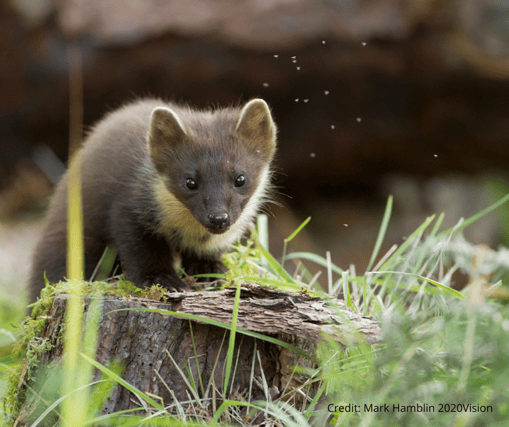

Pine martens return to the South West after more than a century
Pine martens are showing strong signs of recovery in the South West, with experts confirming the elusive mammals are breeding and “doing well” following their reintroduction to the region.
The native species, once driven to extinction in the area more than a century ago, is now beginning to re-establish itself across Dartmoor and Exmoor thanks to a major conservation effort.
In autumn 2024, 15 pine martens were released at undisclosed woodland sites on Dartmoor, followed by a further 19 animals on Exmoor in autumn 2025. The initiative is part of the Two Moors Pine Marten Project, led by Devon Wildlife Trust and supported by The National Lottery Heritage Fund.
Using tracking collars, conservationists have been closely monitoring the animals’ movements. Project lead Tracey Hamston said the results show a mix of behaviours, with some pine martens staying close to their release sites while others have travelled more than 20 miles exploring the landscape.
She explained that the Dartmoor population has now begun to settle into defined territories, while some of the Exmoor animals are still roaming but are expected to establish themselves soon.
Encouragingly, the first evidence of successful breeding was captured last summer when a remote camera recorded a female pine marten with her three kits in a Dartmoor woodland.
“This was the news we were waiting for,” said Tracey. “It’s proof the pine martens have established themselves and are doing well.”
Further breeding is expected this spring, with young likely to become more visible on camera traps in May and June.
Pine martens, roughly the size of a small cat, play a vital role in woodland ecosystems. As omnivores, they feed on small mammals, fruit and even grey squirrels, helping to support healthier, more balanced forests.
Abby Parravani, forest planner at Forestry England, said the results so far are “hugely rewarding” and highlighted the species’ importance in improving woodland resilience.
The project has now moved into a new phase, using remote cameras to monitor the animals as their tracking collars naturally fall away after six months.
Members of the public are being urged to report any sightings, including photos or videos, to help build a clearer picture of the pine martens’ spread. Woodland owners, particularly those near Dartmoor and Exmoor, are also encouraged to take part in a citizen science survey.
To protect the animals, their exact locations remain undisclosed.