

NHS to Social Care – a nurse’s story
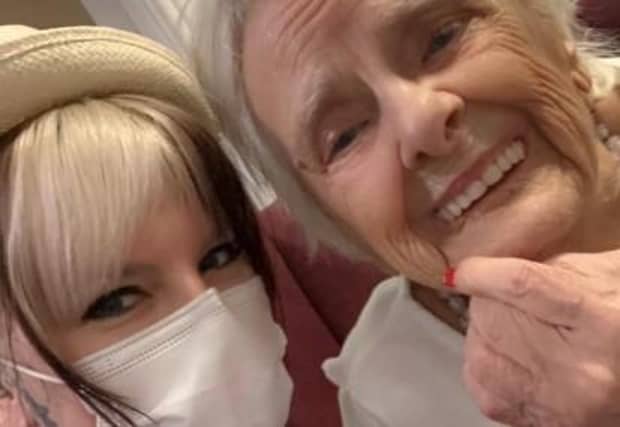

Charlotte Baseley knew at just four years old that she wanted to be a nurse. She became intrigued by a visit to the hospital to see her grandparents and was enamoured with the work the nurses were doing. However, it took Charlotte until she was 23 years o
Charlotte Baseley knew at just four years old that she wanted to be a nurse. She became intrigued by a visit to the hospital to see her grandparents and was enamoured with the work the nurses were doing. However, it took Charlotte until she was 23 years old to feel confident enough to apply and begin her nursing journey in the NHS. “It wasn’t easy,” she said. “I was considered a mature student and no one had much guidance for me. Then I discovered an Access to Nursing course and the rest, as they say, is history.”
During her time as a newly qualified Junior Nurse, Charlotte was unjustly subjected to a severely traumatic event that led to her suffering a mental breakdown. Charlotte gave up nursing altogether while she took some time to process what had happened and piece her life back together. After a short period working in care homes, Charlotte worked up the courage to apply to university and return to nursing. “I am not a victim; I am a survivor. I got myself together and gained my confidence back. I got my nursing PIN back; I got me back and I won.”
Charlotte got her nursing PIN back just in time to help the country and was back working for the NHS when the pandemic hit. “It was the most intense and strange experience and the stress of the workload took its toll on me. I wanted to go back to where I was happy and be able to care the way I love to. Taking time, chatting and getting to know;the person you are caring for. I’d recently moved to Devon and Hatherleigh Nursing Home popped up with a nurse vacancy. I am all for taking signs from the universe. I applied and here I am.”
My role at Hatherleigh and the difference between an NHS Nurse and a Social Care Nurse
“Here I can get to know people. I’m not rushed to process them through to discharge or to a ward. When you have enough time to get to know someone you learn what they are responsive to. I can take the time to engage in different ways which means events such as daily administration of medication, which some people find upsetting, is;more successful.
‘There’s paperwork, responsibilities and policies like in all places, but in Hatherleigh, it’s person-centred. In a hospital we try so, so hard to be person-centred and take time with a patient but it’s just not a luxury we could afford. When you work on the wards you try to get to know patients and if they are staying long-term, you do your best. But in Hatherleigh each family member is;extremely well known.
‘I loved my first day at Hatherleigh and I was ready to come back for more.;It’s very inclusive, you're new and everyone wants to know who you are, what you do and how they can help you to settle in. I was constantly told if you need anything just ask and you could tell everyone really meant it.
‘The team at Hatherleigh is the most individual bunch of humans I have ever met, with the biggest of hearts and passion for what they do.;From the Domestic team, who can I just say are amazing and so diverse, will help;however they can. The catering team make sure everyone is looked after. But the carers, they work so hard and try to achieve the best possible care. I would 100,000% put my relative;in this care home and sleep easy at night, which is no mean feat for a nurse.
‘Our manager, Ashley; I can talk to her about anything. I am a person. If I have something going on and I feel it’s going to affect my work, I can talk to her and she will solve it. Her way of management makes all the difference in the world.
‘The team at Hatherleigh has helped me to heal from my negative experiences as a junior nurse. They have been so supportive. Faye, one of our care practitioners has been the most supportive and is an amazing human, I have big love for her. Working in healthcare is part of what saved me. This career gives you so much more than a pay cheque. It gives you purpose and;reason.;It gives you the privilege of being a part of people’s lives at such a delicate and vulnerable time.
‘In the care sector, as opposed to the NHS, there’s more training, more supervision and better career guidance. They also offer more time to take on further education.;I have expressed a desire to pursue further degrees in Dementia Care and Care of Senior Adults. I feel this will be supported. Ashley literally is on it with training and if you say you want certain training in a specific area, she works with you to find a course and encourages you to participate.
‘It's a common misconception that successful nurses are high up in hospitals only. This is not true. The care sector has so many clinical positions and speciality positions.;I have a good friend who has become clinical lead in the care sector and she's very happy. Nursing is not a one size fits all. If you want to succeed and progress, then the opportunities;are there.
‘I finally found where I am most happy as a nurse in social care. I can nurse, be clinical, but also be a friend, a confidante and be part of a family. I can look after people in my own timescale and take time where it’s needed. Nursing in hospitals is amazing, but social care also has so much to offer. If you want a career in it, talk to a nurse already;there.