

Dartmoor’s hidden mining past uncovered by new UNESCO rail tourism trail
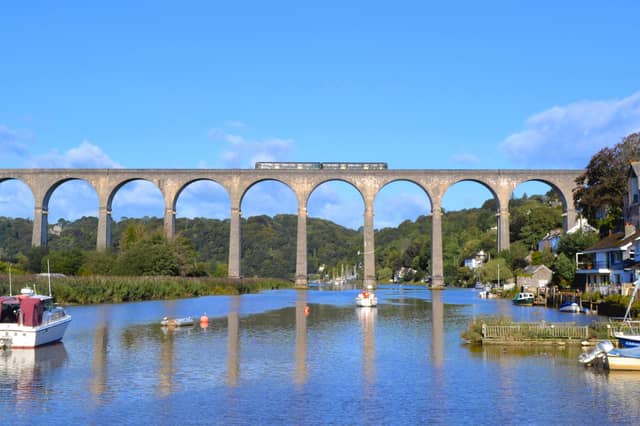

New UNESCO South West Trails initiative highlights Dartmoor’s mining heritage through sustainable rail travel and immersive Tamar Valley experiences
A new tourism initiative is aiming to shift the spotlight from Dartmoor’s open moorland to its "hidden" industrial past.
The "Explore UNESCO South West Trails", launched this April by UNESCO UK and Great Western Railway (GWR), provides a dedicated digital platform to guide visitors through the region’s internationally recognized heritage sites using sustainable transport.
While Dartmoor is best known as a National Park, its western fringes form a critical part of the Cornwall and West Devon Mining Landscape World Heritage Site.
The new campaign highlights how the Industrial Revolution’s global reach began in these valleys, where copper and tin mining once dominated the landscape.
Central to the West Devon trail is the Tamar Valley Line, a scenic 14-15 mile railway branch line connecting Plymouth in Devon to Gunnislake in Cornwall.
The railway serves as a primary link for visitors traveling from the cities of Plymouth or Exeter, providing access to historic mining heartlands without the need for a car.
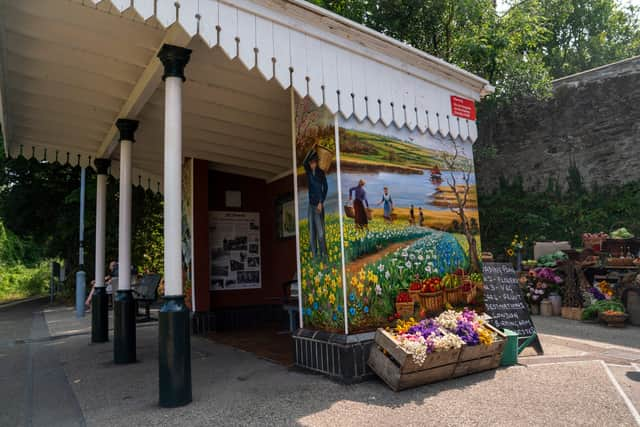
These sites, once the most productive mines in the world, are now being positioned as "world-class" destinations for walkers and cyclists.
Rebecca Catterall, Development Officer for the Devon and Cornwall Rail Partnership, emphasized the role of the railway in preserving the local environment while showcasing its history.
"Travelling by train offers a unique, unhurried way to enjoy some of the finest views in the Tamar Valley, while also helping to protect this special landscape by promoting a more sustainable, low‑carbon way to explore the area," Catterall said.
The initiative encourages a "48-hour" itinerary approach, allowing visitors to explore the contrast between the rugged moorland and the abandoned industrial architecture that remains.
During the train journey across the Calstock Viaduct, passengers can see the physical legacy of the mining boom.
"Travellers can spot remnants of the once‑thriving mining industry, with chimney stacks dotting the horizon, alongside glimpses of historic Morwellham Quay and distant views of Dartmoor through the train window," Catterall added.
The project is funded by the National Lottery through the UNESCO UK National Commission’s ‘Local to Global’ programme.
It arrives as tourism trends shift toward "meaningful, place-based experiences" that support local communities and reduce environmental footprints.
To support the launch, GWR has installed promotional posters and QR codes at regional stations.
These links provide interactive maps and practical travel information, alongside a competition offering trail-based activities as prizes.
By linking the dramatic topography of the Tamar Valley with the Cornish and West Devon Mining Landscape, the campaign seeks to redefine the Dartmoor fringe as a site of global cultural importance, accessible to anyone with a rail ticket.