

Heat alert raised to amber as South West faces record temperatures

The South West is under an amber heat-health alert during the half-term week, with officials warning of risks to vulnerable people as temperatures continue to soar and demand on services increases.
The heat-health alert for the South West has been raised from yellow to amber as record-breaking temperatures continue to grip the region, with health officials warning of increased risks to vulnerable people.
The UK Health Security Agency (UKHSA) has issued the amber alert until 5pm on Thursday, covering Devon, Cornwall, Somerset, Bristol, Gloucestershire and Wiltshire, as forecasters predict the hot spell will continue into the week.
The warning indicates a likely increase in demand on health and social care services, alongside a heightened risk of illness and death, particularly among older people and those with existing health conditions. Impacts may also be felt in younger age groups.
Chaam Klinger, a South West UKHSA health protection consultant, said the extreme temperatures could have a significant impact on public health.
“The really high temperatures can especially affect people who are vulnerable, as well as healthcare workers in heated environments,” she said.
The amber alert also highlights concerns around pressure on hospitals, care homes and emergency services as demand increases during prolonged hot weather.
The warning comes as parts of the South West recorded some of the highest May temperatures in decades. BBC meteorologist David Braine reported that Bude reached 31C on Monday, breaking the previous Cornwall record of 28.5C set in 2012. In Devon, Chivenor hit 30C, surpassing a long-standing record of 28.2C recorded in 1989.
Health experts have also warned of the dangers posed by sudden immersion in cold water during hot weather, as more people head to beaches, rivers and coastal spots.
Professor Mike Tipton, chair of the National Water Safety Forum, said the combination of hot air temperatures and cold sea or river water can be particularly dangerous.
“This is the worst time of the year because the air temperature can reach the 30s but the water is still around 13C,” he said.
He warned that rapid temperature changes can trigger “cold shock syndrome”, which significantly increases the risk of drowning.
He added that people who get into difficulty in open water should remember to “float to live”, advising them to lie back, control their breathing, and avoid panicking.
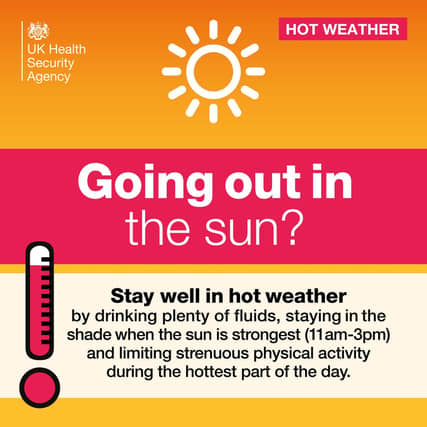
Health officials are urging people to take precautions during the heatwave, including staying hydrated, using sunscreen, wearing light clothing, and avoiding strenuous activity during the hottest part of the day, typically between 11am and 3pm.
Those most at risk include people over 65, young children, and individuals with heart, lung or kidney conditions.
As temperatures remain high across the region, authorities are reminding the public to check on vulnerable neighbours and relatives, and to take extra care near open water.