Torquay United and mascot Gilbert backing Bin Your Butts campaign
Search


02 Apr 2026

Please allow ads as they help fund our trusted local news content.
Kindly add us to your ad blocker whitelist.
If you want further access to Ireland's best local journalism, consider contributing and/or subscribing to our free daily Newsletter .
Support our mission and join our community now.
To continue reading this article, you can subscribe for as little as €0.50 per week which will also give you access to all of our premium content and archived articles!
Alternatively, you can pay €0.50 per article, capped at €1 per day.
Thank you for supporting Ireland's best local journalism!

Chelfham Mill, a former boarding school and historic watermill near Barnstaple, is being transformed through the GrowForward Project into a community-led wellbeing, heritage and environmental hub.

Chelfham’s former boarding school and watermill are being transformed into what could become one of North Devon’s most ambitious community-led projects, combining heritage restoration, environmental stewardship, and mental wellbeing.
The GrowForward Project has quietly evolved into a creative and wellbeing-focused hub, attracting support from local residents, charities, and regional institutions.
Over the past two years, a small and largely unfunded team has worked to reclaim the derelict Chelfham Mill site.
What was once a disused and heavily damaged complex has now been partially restored, offering spaces that are already being used for community activities and wellbeing initiatives. The team’s efforts have not gone unnoticed: dozens of letters of support from leaders in mental health, local government, and heritage organisations attest to the project’s impact and vision.
“The GrowForward Project is a brilliantly conceived programme to convert the former special needs school into a centre for restoration and rejuvenation,” said Andrew Bell, CEO of the UNESCO North Devon Biosphere.
“The idea fits very well with the aims of the Biosphere Reserve, where we connect people and nature for a better future.”
The project’s vision is multi-layered.
Alongside the refurbishment of historical buildings, including the Grade II listed Chelfham Viaduct that towers over the valley, it aims to establish a mental wellbeing learning centre, a riverside bistro, and a heritage centre that celebrates the site’s industrial and cultural history. Participants will have access to training and courses up to degree level in areas such as counselling and psychotherapy, while visitors will enjoy community-focused hospitality and access to exhibitions about the local heritage, including the Lynton and Barnstaple Railway.
Daniel Argent, director of community and communications for the project, described the undertaking as “exhausting but overwhelmingly positive,” highlighting the interest and support the initiative has generated across North Devon.
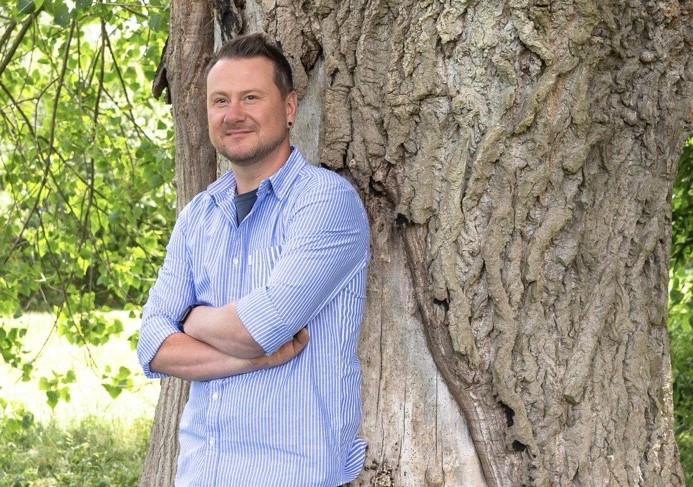
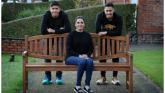
ABOVE: Daniel Argent, a founder of the GrowForward Project, has been involved in the regeneration of Chelfham Mill since its conception.
A founder of the GrowForward Project, Mr Argent has been involved since its conception. He first became aware of the site as a former pupil at Chelfham Mill and proposed it as a potential project to colleagues, who were initially sceptical about the scale and ambition of the idea. Over time, those doubts were overcome as the vision gained traction and support.
While the team remains small, their dedication has helped overcome earlier challenges, including planning objections that threatened the site’s future.
Community engagement has been a central part of the project’s approach.
Last December, the GrowForward team hosted a high-profile event exploring the valley’s waterways, woodlands, and watermill restoration.
Supported by the National Trust, the Environment Agency, and the Woodland Trust, the event highlighted the project’s integration of biodiversity, flood resilience, and heritage conservation with opportunities for public engagement.
The event took place on 4 December this year and exceeded expectations, with the venue reaching full capacity and some attendees forced to stand in the lobby. A social media post thanking supporters received more than 160 likes, reflecting the level of public interest generated. Organisers said the response demonstrated strong backing for the initiative and provided momentum for an upcoming Heritage Lottery Fund bid aimed at restoring the watermill and surrounding landscape.
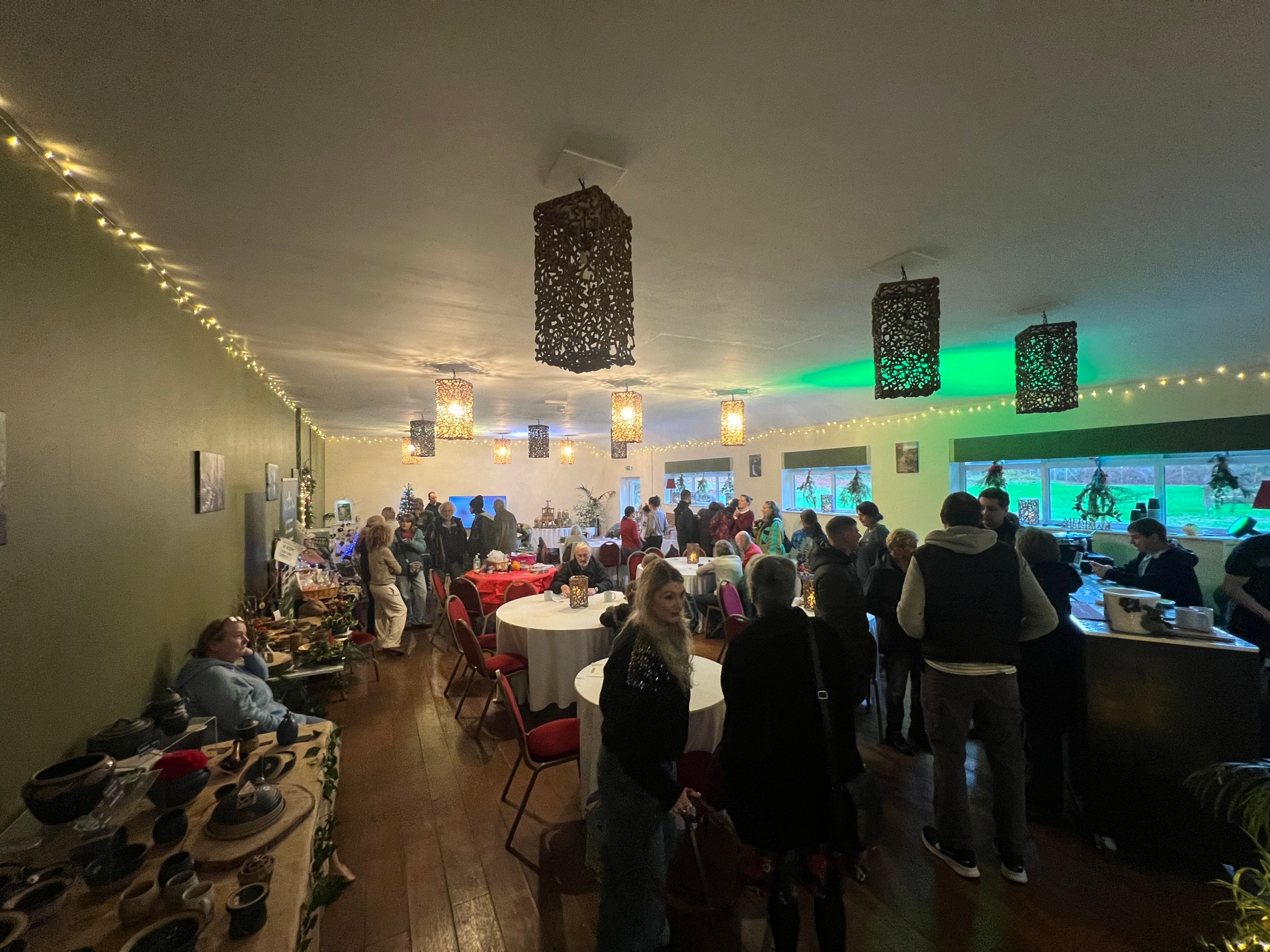
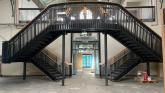
ABOVE: Supporters and local residents gathered at Chelfham Mill during the GrowForward Project’s Christmas celebration weekend.
“This project is a truly visionary undertaking, transforming an overgrown site into a sanctuary that offers immense value to the community and the environment,” said Devon County Councillor Andrea Davis.
“It creates a harmonious place that blends education, reflection, and discovery with opportunities for tranquil relaxation.”
The GrowForward Project is also notable for its inclusivity and neurodivergent-led programmes.
Facilities such as the digital creativity and e-sports hub provide safe, sensory-considerate spaces where neurodivergent participants can engage in gaming, digital production, and creative learning without the need to mask their differences.
The e-sports hub is awaiting computer equipment and will open once this has been secured. When operational, it will provide dedicated opportunities for digital engagement and skills development as part of the project’s wider wellbeing offer.
The approach, Mr Argent says, is designed to empower individuals who are often underserved in rural areas, including people with trauma histories, women, and those who feel disconnected from conventional systems.
Local partners have embraced the project’s collaborative ethos.
Hakeford Woods, the Barnstaple & Yeo Valley Railway Trust, and the Brook Wood Trust are among organisations working alongside GrowForward to develop the valley as a cohesive community ecosystem. Shared spaces and coordinated programmes allow for cross-referral, resource pooling, and a holistic approach to wellbeing, culture, and environmental stewardship.
The project’s advocates see it as a model for community-led regeneration.
Ian Roome, MP for North Devon, described it as “a model for community-led regeneration that many others will want to emulate,” while Phil Harris of the Devon Mental Health Alliance highlighted the potential to expand social prescribing, nature-based therapies, and mental health support throughout the area.
With plans to open fully from 2026, the GrowForward Project is positioning Chelfham as a destination for ethical tourism, heritage appreciation, and holistic wellbeing.
The full opening timeline will depend on the success of funding bids, including Heritage Lottery support. Current projections suggest that all buildings and spaces, aside from the former mill house and the watermill, could be operational between 2026 and 2027, with restoration of those remaining structures dependent on future funding. The team hopes that continued community support and institutional backing will allow the project to reach its full potential, offering long-term benefits for North Devon and beyond.

Subscribe or register today to discover more from DonegalLive.ie
Buy the e-paper of the Donegal Democrat, Donegal People's Press, Donegal Post and Inish Times here for instant access to Donegal's premier news titles.
Keep up with the latest news from Donegal with our daily newsletter featuring the most important stories of the day delivered to your inbox every evening at 5pm.