

Bellever landscape changes as Dartmoor ponies form 'living mosaic'
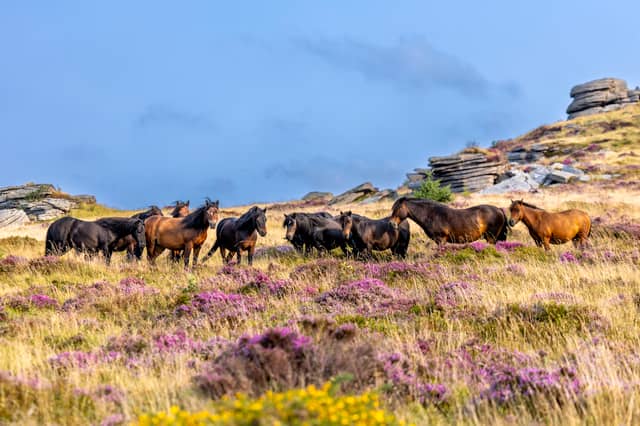

Dartmoor-based photographer Malcolm Snelgrove has spent more than 20 years documenting the ponies at Bellever, where their grazing is creating a patchwork of habitats
Heritage Dartmoor ponies are helping to change the landscape at Bellever by creating a mix of habitats through grazing and movement, according to long-term observations and research.
Dartmoor-based photographer Malcolm Snelgrove has spent more than 20 years photographing the ponies and their relationship with the moor.
At Bellever, he has documented networks of paths created as the ponies repeatedly move through areas of vegetation, alongside patches of exposed ground and the return of heather in areas previously dominated by Molinia grass.
Molinia is a native grass which can form dense stands, limiting the growth of other plants.
Snelgrove said the changes could initially be difficult to spot but became more visible over time.
“Tracks become routes, routes form networks, and those networks begin to shape how the moor functions,” he said.
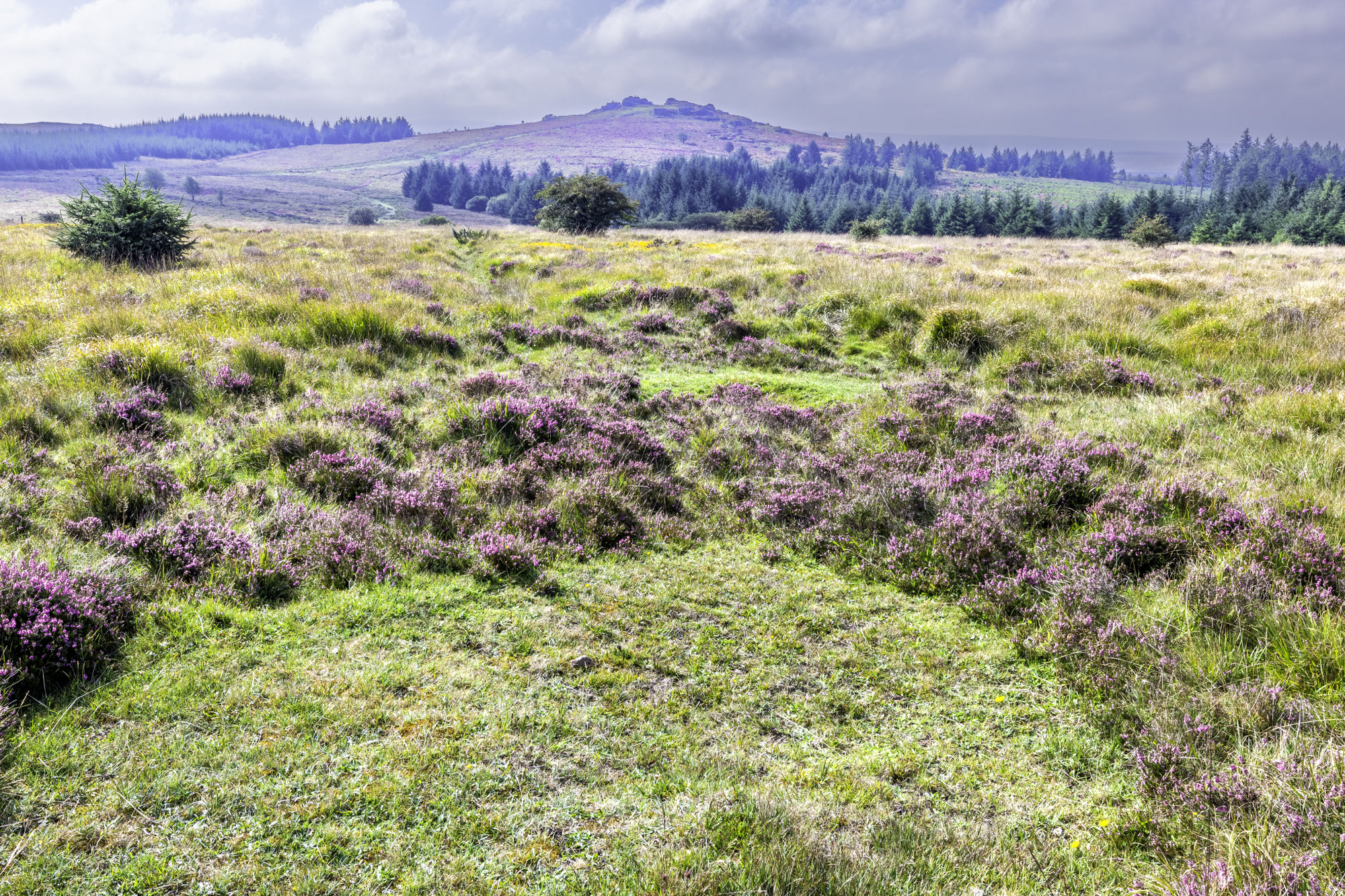
Research involving Plymouth University has also recorded changes associated with pony grazing at Bellever.
A study published in the Conservation Evidence Journal in 2021 found that a relatively modest reduction in Molinia dominance was associated with an increase in heather seedlings, alongside shorter vegetation and an increase in bare ground.
The research recorded an approximately nine per cent reduction in Molinia dominance alongside an approximately 18-fold increase in heather seedlings.
Bare ground increased from around 0.3 per cent to nearly eight per cent.
The study also recorded healthier mature heather in grazed areas, with around 79 per cent of plants classed as healthy compared with approximately 43 per cent in un grazed areas.
Snelgrove said the ponies did not graze evenly across the landscape.
“They favour certain routes, return to the same places, and create small areas of natural disturbance as they go.
“Over time, this creates variation, a mix of habitats rather than a single, uniform surface.”
Heritage Dartmoor ponies have been used at Bellever since 2008 as part of a conservation grazing programme managed by the Dartmoor Pony Heritage Trust.
The ponies are suited to rough terrain and can feed on coarse vegetation, according to information supplied by the trust.
Snelgrove said the changes at Bellever formed part of a wider discussion about the role of grazing animals in managing landscapes and supporting biodiversity.
“The work taking place on Dartmoor is part of a much wider conversation about how grazing animals can support nature,” he said.
His photographs show the patterns created by the ponies across the vegetation, including paths and areas where grazing has opened up the ground.
“At Bellever, the evidence is already written into the landscape. The paths cut through the grass. The changes in structure. The return of heather.
“Together, they form a living mosaic, not imposed or designed, but shaped gradually over time through the quiet, repeated movements of the ponies.”