

South West Water reveals change in Devon residents’ water usage amid drought
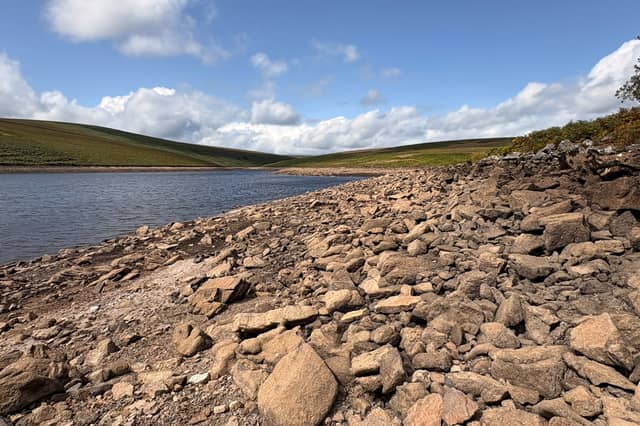

South West Water says customers are using water more efficiently following the introduction of restrictions, but questions remain over how quickly the region's water resources can recover
Residents appear to have become more cautious about their water usage amid Devon’s severe drought, according to smart meter data.
South West Water said a range of factors had contributed to lower levels of water demand, but noted signs that customers were using water “more efficiently”.
It added that since a hosepipe ban was introduced in August, households had recorded “lower average consumption”.
Although some rain has fallen in recent weeks, three of Devon’s five reservoirs are holding only just over half the amount of water they contained at the same time last year.
Wimbleball Reservoir on Exmoor, for example, is at just 19 per cent capacity, compared with 31 per cent in November last year.
Roadford Reservoir is at 34 per cent, down from 65 per cent at the same point last year.
In a letter issued last month, water regulator Ofwat, the Environment Agency and the Department for Environment, Food and Rural Affairs (DEFRA) said leakage across South West Water’s area was 18.5 per cent higher than forecast and had “increased since the previous year”.
“Given the ongoing drought conditions, these shortcomings are placing customers at a greater level of risk. This is not acceptable,” the letter added.
Meanwhile, South West Water is still waiting for a response from the Government on whether it can introduce a non-essential use ban affecting some businesses in parts of East and Mid Devon.
“Since the temporary use [hosepipe] ban was introduced, we have seen a reduction in water demand across the region,” a spokesperson for the company said.
“This has been supported by customers using water more efficiently, alongside our ongoing work to reduce leakage.
“Cooler temperatures and increased rainfall have also contributed to lower demand.”
The company described the reduction as “encouraging”, but stressed that water resources would need more time to recover.
The spokesperson added that the company's available data suggested residents were becoming more careful with their water usage.
“Analysis of household smart meter data indicates lower average consumption following the introduction of the temporary use ban,” the spokesperson said.
“However, it is not possible to determine how much of this change is due to the restrictions alone, as weather conditions, seasonal factors and school holidays can also influence water use.”
A Government update on the national water situation published this month also highlighted the South West as an area under pressure.
“Public water supply concerns are currently focused around Wimbleball reservoir in the south-west and Ardingly reservoir in the south-east,” it stated.