

Dartmoor farmers urged to prepare for life after bluetongue at Tavistock event
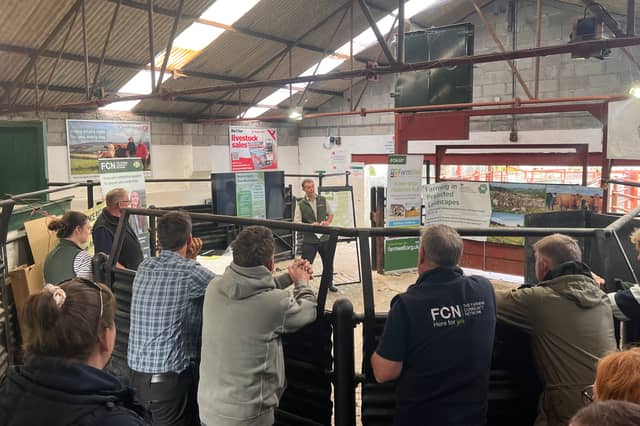

More than 180 rams were booked for fertility testing as Dartmoor farmers gathered in Tavistock to learn more about the ongoing impact of bluetongue on sheep health
Dartmoor farmers have been given advice on how to recover from the impact of bluetongue at an event in Tavistock.
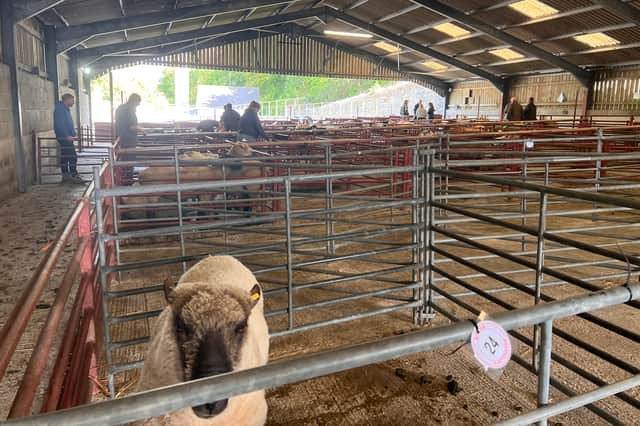
The Bounce Back from Bluetongue event was held at Tavistock Livestock Centre on Monday, October 5, bringing together farmers, vets and industry experts to discuss sheep health and ram fertility.
More than 180 rams were booked in for fertility testing through the support being offered by the Dartmoor Hill Farm Project (DHFP).
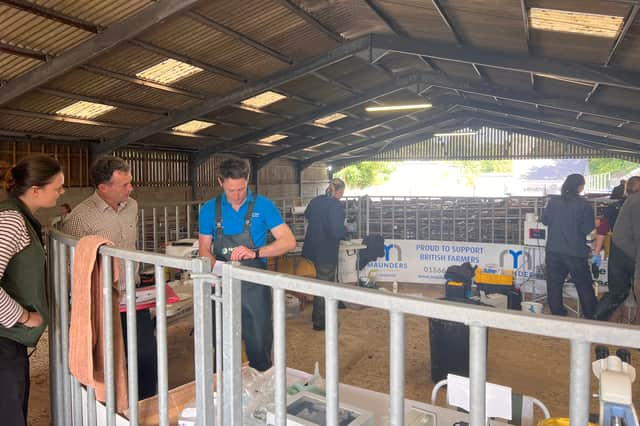
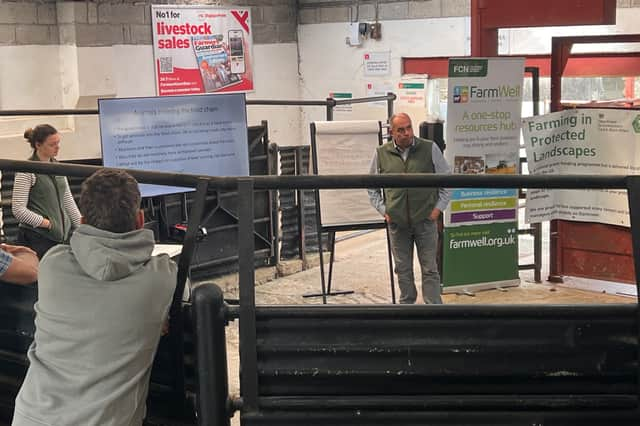
The event was attended by farmers from across Dartmoor and included practical demonstrations, with samples taken from rams and examined under a microscope.
David Attwell, one of the speakers at the event, told farmers that there had been more than 2,500 cases of bluetongue virus serotype 3 (BTV-3), including more than 2,000 in England and more than 1,000 in Devon.
“No one to blame, we are where we are,” he said.
Farmers were also warned not to lose sight of other health problems while dealing with bluetongue.
Jonathan Hobbs, veterinary surgeon and director at North Park Veterinary Group, highlighted the importance of considering issues including parasites and quarantine.
He also discussed what could be on the horizon, including other vector-borne diseases.
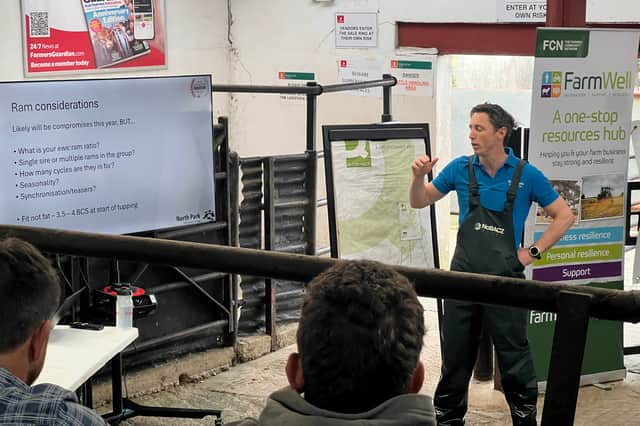
Farmers were informed that it could take between 100 and 150 days after bluetongue for animals to get back to normal.
The event also focused on ram fertility, with farmers able to learn more about testing and book future testing dates.
One of the messages from the event was that an average ram should be capable of serving around 40 to 50 ewes, while farmers were encouraged to be aware of so-called “iceberg diseases” which may not be immediately obvious.
Helen Penna, trade account manager at MSD Animal Health, stressed the importance of keeping vaccines refrigerated.
She encouraged farmers to invest in suitable fridges and speak to their vets about vaccination.
The event also provided information about support available to farmers struggling with the wider pressures facing the industry.
The Farming Community Network (FCN) was highlighted as a source of free and confidential support.
Stallholders attending Monday’s event included Harpers Feeds, Agro-Vital, Moor Trees and Mole Avon Country Stores.
The event was funded by Farming in Protected Landscapes (FiPL), with additional support from the Royal Countryside Fund.
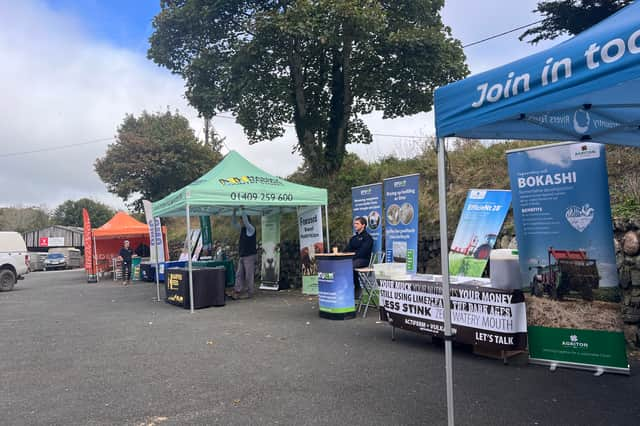
Sally Sargent, Rural Communities Officer for the Royal Countryside Fund (RCF), explained to The Moorlander that the charity had released £36,000 in emergency funding after the challenges facing farming communities were brought to its board.
“The money has been used to support nine groups, one of which is here, and we have helped to fund the staff’s time,” she said.
She added that the funding had been set up to help farms “thrive” and to respond to how challenging conditions have been for farmers.
Hazel Kendall from the Dartmoor Hill Farm Project said the organisers had wanted to provide a “hands-on practical demonstration” for local farmers.
She added that bookings were being taken for the next testing session at Exeter Market on October 14, with potential for a further event earmarked if demand continues.
The support from the DHFP is being offered to farms across Dartmoor, with 32 farms involved in the programme.
Peter Morris of Spence Cross Consulting also told farmers: “This is why this is so important today, you’ll know what you’re dealing with, you’ll have answers quicker.”
He also warned of the potential consequences if stock becomes an issue, saying: “If lack of supply runs through, we run a risk of over consumption.”