

Devon farmers left in limbo as £233m funding scheme sells out in six hours
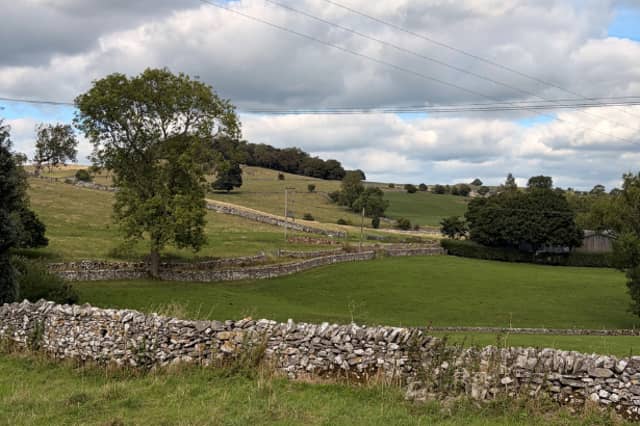

Farmers across Devon have been left facing fresh financial uncertainty after a major government support scheme closed for applications in under six hours, with some farmers missing out entirely because they were out working at the time.
Farmers across Devon have been left facing fresh financial uncertainty after a major government support scheme closed for applications in under six hours, with some farmers missing out entirely because they were out working at the time.
The Sustainable Farming Incentive, known as SFI, pays farmers and land managers to carry out sustainable land management activities that protect the environment, support food production and improve productivity, with successful applicants typically entering a three-year agreement paid in quarterly instalments.
The 2026 offer, known as SFI26, had two application windows this year. Window 1 closed on August 28 and was limited to small farms and farms without an existing environmental land management agreement, receiving 7,000 applications, with 3,100 new agreements live by September 1 and payments already reaching farmers.
Window 2, open to every eligible farmer and land manager with at least three hectares of agricultural land, opened at 10am on Tuesday, September 22, backed by a £233 million fund. According to the Department for Environment, Food and Rural Affairs, that figure was made up of a £50 million boost announced by the Prime Minister in August, aimed at helping farmers hit by low yields and rising costs, plus £3 million left unallocated from Window 1.
The Rural Payments Agency confirmed the window closed for applications at 15.48pm that same day, once enough applications had been received to allocate the full budget, meaning it was open for under six hours in total.
Many farmers reported returning from work in their fields, with their livestock, or at market, only to discover the window had already closed by the time they logged on. Others who did try to apply while it was still open described technical problems with the application website, as thousands of farmers attempted to submit applications at the same time.
The government has confirmed that anyone who started an application but did not submit it before the window closed will not be able to complete it, since applications are processed in the order submitted and the window was closed once the budget was fully allocated.
Two small exception groups will be allowed to continue: farmers who need the Rural Payments Agency to complete an assisted digital application on their behalf, and those who contacted the agency about a technical issue with the service before the window closed. Anyone who does receive an agreement offer must accept it within 30 days or it will be withdrawn.
The government also confirmed that around 21,000 farms whose current environmental land management agreements are due to expire by the end of February 2027 will be able to apply early for their next agreement before their existing one runs out, an option also open to small farms that held off applying in Window 1. It has said it intends to offer a further SFI scheme in 2027, and will work with farming representative organisations and the wider sector to consider how the scheme should be refined before then.
Farming Minister Stephen Morgan said: "Growing our own food is a matter of national security and part of our long-term plan for English farming, the Farming Roadmap. Farmers shouldn't have to carry the risk of a changing climate alone, and this funding means more farmers can build the kind of resilient, sustainable businesses that can better withstand whatever the weather throws at them next. Our work and the Farming Roadmap are backed with real co-operation with our farmers, because more often than not the best answers for our countryside come from the people who work the land."
Rural Payments Agency chief executive Oliver Munn said: "We have worked hard to make this year's scheme clearer, more focused and easier to navigate for farmers and land managers. The response to the first window shows strong demand, and our teams have been working at pace to turn applications into agreements and payments. As the second window opens, our focus is on giving applicants clear guidance, predictable processes and the confidence to apply when they are ready."
However, the speed of the closure has drawn sharp criticism from local politicians and farming groups. Devon County Council's Cabinet Member for Rural Affairs, Councillor Cheryl Cottle-Hunkin, who is a farmer herself, said the situation was "completely unacceptable."
She said: "Farmers were left battling a failing system, staring at loading screens for hours, while others were out in the fields doing the job that feeds the nation. Then, within a matter of just a few hours, the money was gone."
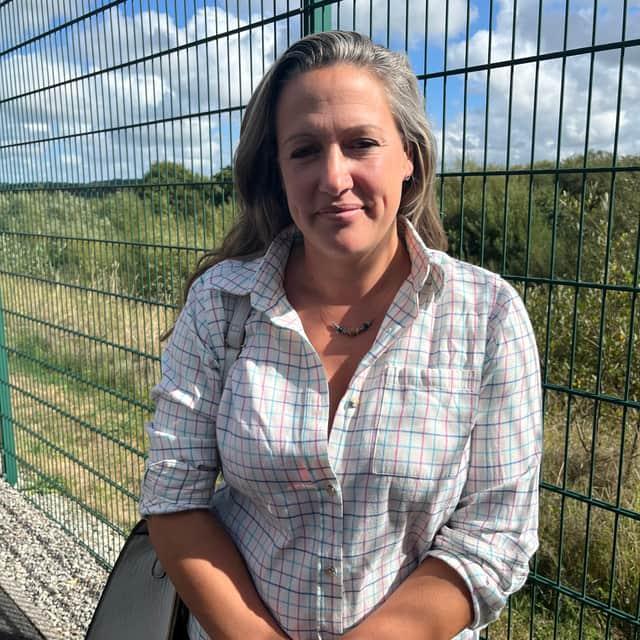
Cllr Cottle-Hunkin, who is a farmer herself, said the scheme's closure came on top of a series of existing pressures on farming businesses, including the loss of the Single Farm Payment since the UK left the EU, a run of replacement schemes with changing rules, a severe drought, bluetongue disease affecting livestock this year, and ongoing uncertainty around the family farm tax.
She said: "What was supposed to be a support scheme has effectively been turned into a lottery. Funding has gone not to those with the greatest need or the strongest outcomes, but to those who were lucky enough to get through a failing online system before the pot ran out. That is not a fair support system, and it is not how we should be treating the people who produce our food."
We constantly hear government Ministers say that 'food security is national security'. They talk the talk, but they are not walking the walk. If Government genuinely believes food security matters, then it must support the farmers who produce our food.
She added that farmers "should not have to race each other for vital support," and called on government to "stop treating farmers as an afterthought" and provide longer-term certainty.
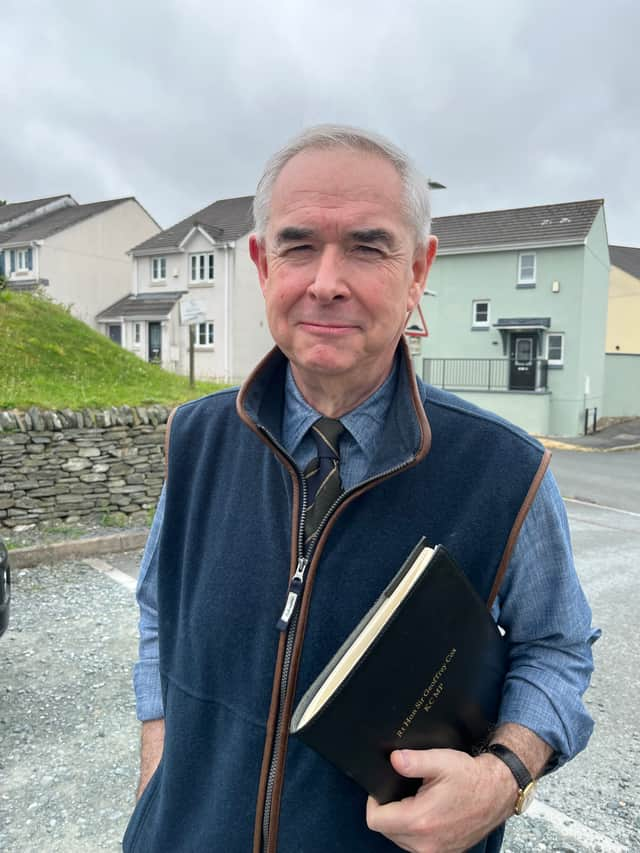
Sir Geoffrey Cox KC MP, whose Torridge and Tavistock constituency covers a significant farming community, said he had already been contacted by farmers who missed out on the scheme.
He said: "I am deeply disturbed to see that the application window for the Sustainable Farming Incentive closed after less than six hours. I have already been contacted by farmers who missed out and who will now be left in limbo, facing further financial uncertainty despite weeks of preparation for their applications. The irony is that farmers would have been out tending to their fields, their livestock or at market when the window opened, only to return and discover that the window had suddenly closed."
He called the situation "farcical" and said the government had "very serious questions to answer."
Tim Bonner, chief executive of the Countryside Alliance, said the scale of demand showed the funding and application system were not keeping pace with farmers' needs.
He said: "Farmers should not have to race against the clock to secure the support they need to run their businesses and deliver the environmental outcomes the government is asking of them. The fact that a £233 million scheme was fully allocated within six hours tells us that there is a huge appetite among farmers to participate in these schemes, but that the funding and system are simply not keeping pace with demand." He added that the closure follows the Countryside Alliance's launch of its Campaign for the Countryside last week, which identified 27 government policies it says affect rural communities, calling for what it terms a "rural reset" in the relationship between government and rural Britain.
Farmers who did not apply during Window 2, or who are not offered an agreement, may be eligible to apply for the 2027 SFI offer once further details are published.