

Devon prepares for climate ‘whiplash’ as experts tackle flood and drought risks
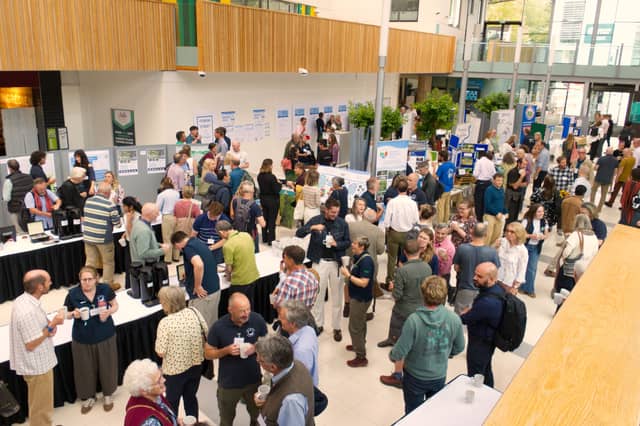

Devon is facing a growing need to prepare for rapid swings between flooding and drought, with councils, farmers, scientists, water companies and environmental organisations coming together to examine how the county can adapt to a changing climate.
The issue was at the heart of the sold-out WATER 2026 conference, held at the University of Exeter in early September.
Hosted by the Devon Resilience Innovation Project (DRIP) and Devon Climate Emergency (DCE), the two-day conference brought together experience and evidence from projects across the county, with a focus on identifying approaches that work and exploring how they could be adopted on a larger scale.
The conference comes after a year of increasingly contrasting weather conditions, with a wet start to 2026 followed by what was described as England’s driest July on record.
Delegates discussed the phenomenon of ‘climate whiplash’ – rapid shifts between prolonged periods of wet and dry weather – and the increasing pressure this places on communities, agriculture, rivers, wildlife and water supplies.
Climate projections indicate that the UK is likely to experience more intense rainfall alongside drier summers in southern England, increasing the risks posed by both flooding and water shortages.
DRIP, which is led by Devon County Council and runs until 2027, is working with 19 organisations to improve flood resilience in 38 Devon communities.
The project is examining how different measures can work together, including slowing the movement of water through landscapes, providing communities with earlier warnings of flooding and helping them respond and recover more quickly.
One example is Stokeinteignhead, where natural flood management, property flood resilience, community engagement and a trial surface-water flood forecasting system have been brought together. The approach received national recognition at last year’s Environment Agency Flood & Coast Excellence Awards.
The WATER 2026 conference brought together specialists working across technology, nature, science and land management.
Among those taking part were Devon farmers and landowners, Riverford Organic Farmers, the Environment Agency, the Met Office, Natural England, South West Water, Devon Wildlife Trust, the National Trust, Westcountry Rivers Trust and researchers from the universities of Exeter and Plymouth.
Sessions looked at how food production can adapt to drought and intense rainfall, alongside the role of beavers, trees, restored rivers and technology in creating healthier and more resilient landscapes.
Delegates also examined how restoring wetlands, improving soil health and retaining more water within the landscape could help protect wildlife and critical infrastructure while supporting farms and ecosystems through prolonged dry periods.
The work forms part of the wider Devon, Cornwall and Isles of Scilly Climate Adaptation Strategy, developed through the Devon Climate Emergency partnership to identify the risks posed by climate change and the actions needed to respond.
Gale Alexander, Devon Resilience Innovation Project Manager, said: “Devon has experienced prolonged wet weather and exceptionally dry conditions within the same year, showing why we need to prepare for different extremes rather than considering flooding and drought in isolation. We cannot prevent every flood or dry spell, but we can reduce their impact and help communities prepare. The evidence and learning gathered through DRIP will help inform future approaches to flood and climate resilience in Devon and elsewhere.”
Jacqi Hodgson, Devon County Council Cabinet Member for Climate Change and Biodiversity, said: “Climate change is not something any one organisation or community can address alone. DRIP is demonstrating in real time, what becomes possible when residents are supported by farmers, landowners, researchers, councils and environmental organisations working together. By combining local knowledge with nature, science and technology, we can give people more impetus to act, create healthier landscapes and build greater resilience for the future.”