

East Dartmoor plans to put nature recovery at heart of 20-year landscape scheme
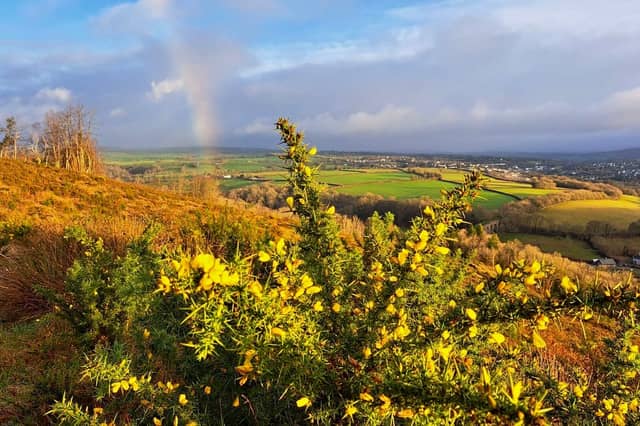

A major new scheme aimed at securing the future of East Dartmoor’s wildlife, farming and landscape has reached a crucial stage, with plans for a 20-year programme now being assessed by the Government.
The East Dartmoor Landscape Recovery Scheme brings together local farmers, landowners, conservation organisations and community representatives to develop a long-term approach to nature recovery across around 2,500 hectares.
The project has completed its three-year development phase and its proposals are now being reviewed by the Department for Environment, Food and Rural Affairs (Defra). If approved, the scheme could move into a 20-year implementation phase, with work expected to begin in 2027/28.
The scheme is part of Defra’s Landscape Recovery programme, one of the three elements of England’s Environmental Land Management schemes, which is intended to support large-scale environmental improvements while helping land managers adapt to changes in agricultural support.
Devon Wildlife Trust was selected in the first round of the programme three years ago and has since led the development of the East Dartmoor project alongside its partners.
The partnership includes Dartmoor National Park Authority, the National Trust, Natural England and the Woodland Trust, with specialist expertise also provided by organisations including the University of Exeter, the Royal Society for the Protection of Birds and Devon Biodiversity Records Centre.
The aim is not simply to create more habitat, but to develop a working landscape in which wildlife recovery and the future of rural businesses can support one another.
East Dartmoor is a landscape that includes tors, moors, mires, heaths, species-rich grasslands and wooded valleys containing internationally important temperate rainforest, also known as Atlantic oak woodland. But the area is facing growing pressures, including biodiversity loss, climate change, increasing visitor numbers, changes to agricultural support and emerging tree diseases.
The project proposes measures including expanding and connecting habitats, restoring native woodland, improving rivers and streams, supporting threatened species and working with farmers and land managers to develop sustainable approaches to land management.
The long-term vision also includes investigating the possible return of native species that have been lost from the landscape, such as water voles. For farmers and other land managers, the scheme could provide an alternative source of long-term support as England's agricultural subsidy system continues to change.
For conservationists, meanwhile, the large-scale approach offers an opportunity to tackle the fragmentation of habitats and create stronger connections between areas of wildlife-rich land.
The project team is now holding a series of public events to explain what the scheme could mean for East Dartmoor, including its aims, the species and habitats it hopes to protect and how local communities could become involved.
The first one is being held today at Bovey Travey Library, from 3pm to 4.30pm. Other forthcoming events will be held at Ashburton Arts Centre on Monday 21 September, from 7.30pm to 9pm, another at Bovey Tracey Library on Tuesday, 29 September, from 6pm to 7.30pm and a final online event on Wednesday 7 October from 6pm to 7.30pm.
The events come as the project enters Defra's assurance phase. According to Devon Wildlife Trust, the review is expected to continue into 2027 and, subject to approval, would be followed by the 20-year delivery phase.
The East Dartmoor scheme is one of three Landscape Recovery projects currently being developed on Dartmoor, alongside schemes covering the Walkham Valley and Central Dartmoor. Together, the projects have the potential to bring landscape-scale nature recovery to a significant part of the National Park.
For East Dartmoor, the ambition is to combine the area's existing environmental strengths with a future in which farming, wildlife and communities can continue to thrive together.
For more information about the East Dartmoor Landscape Recovery Scheme, visit https://www.devonwildlifetrust.org/wilder-east-dartmoor