

South Devon folklorist explores Dartmoor’s pixie traditions in new study
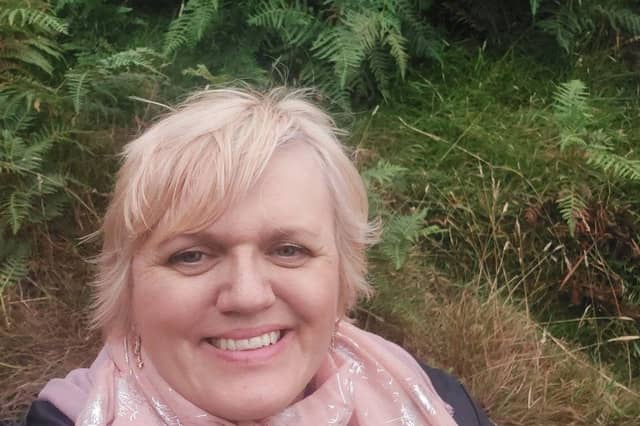

In two new books, Claire explores the traditions of faeries and pixies in the West Country
South Devon author and folkloric researcher Claire Casely has spent years walking Dartmoor’s tors, valleys, and wisht places, gathering material for her new two-volume work, The Heart of Pixieland: West-Country Faeries and Their Haunts. The books bring together regional folklore, historical accounts, and contemporary testimonies to explore the enduring belief in pixies and piskies across Devon, Cornwall, and Somerset.
Dartmoor forms the backbone of Claire’s research. Its granite outcrops, sudden mists, and longheld stories of the “little folk” have shaped both her fieldwork and her understanding of how fairy belief persists in the West Country. “Dartmoor encourages a different kind of attention,” she says. “It’s a landscape where the old stories feel close to the surface.”
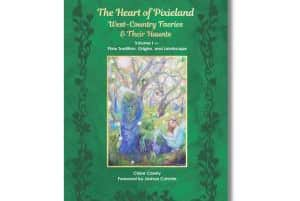
Volume I, Pixie Tradition, Origins, and Landscape, traces the deep roots of pixie and piskie lore. It examines the evolution of belief, the traits and behaviours attributed to these beings, and the idea of “wisht places” — uncanny or liminal landscapes where unusual experiences have long been reported. The volume also compares West Country traditions with wider British fairy belief.
“Volume I is the map,” Claire explains. “It shows how the landscape shaped the stories, and how those stories shaped the people who lived with them.” Volume II, Folklorists, Modern Encounters, and the Living Tradition, turns to present day experience. Beginning with the “pixorians” who first recorded pixie lore, it moves into contemporary encounters shared by modern witnesses. These accounts, gathered from across the region, offer insight into how fairy belief adapts in the modern world. The volume also includes Claire’s fieldwork notes, a survey of pixie place names, plant lore, terminology, and The Pixie Continuum by Dr Simon Young.
For Claire, the pixie tradition remains a living part of the West Country’s cultural identity. “Folklore is one of the ways people make sense of their surroundings,” she says. “It’s shaped by the land — and Dartmoor has always had a strong voice.”