

Dartmoor horse sanctuary sees water bill soar by almost 600% in heatwave
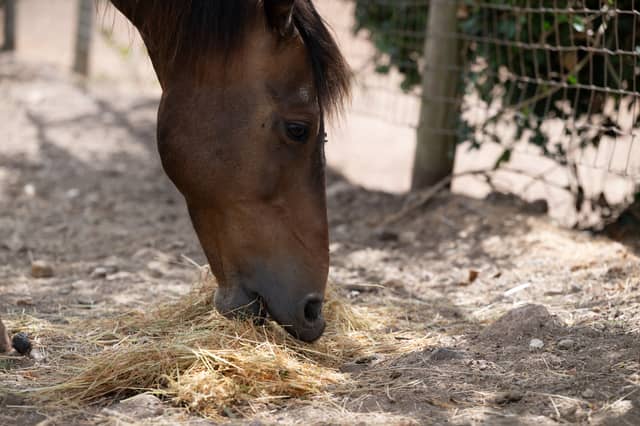

The Mare and Foal Sanctuary says record heat and prolonged drought are driving up water and feed costs, with horses across its Devon sites needing extra care and supplementary food
Record heat and drought conditions are putting extra pressure on The Mare and Foal Sanctuary, with the Devon charity reporting sharp increases in water and feed costs across its four sites.
The South West's largest horse rescue charity cares for more than 120 rescued horses and ponies.
It says the extreme weather has forced staff to change daily routines, increase supplementary feeding and use significantly more water to keep the animals healthy and comfortable.
At Coombe Park, the charity's Education and Equestrian Centre near Totnes, the latest water bill covering April to July rose by 592 per cent, from £240 to £1,661.
Although hosepipe restrictions do not apply because water is essential for animal welfare, the prolonged lack of rain has left the site's rainwater tanks dry for months.
The sanctuary has therefore had to rely entirely on mains water.
Horses also drink more during periods of extreme heat, while increased evaporation and dry, dusty ground can worsen breathing problems.
Water is also needed to soak hay for some horses, helping to remove excess sugar and reduce the risk of conditions such as laminitis.
It can also reduce dust that may aggravate equine asthma.
The drought has severely reduced the amount of grazing available, with some herds now consuming almost as much supplementary hay and haylage as they would during winter.
The sanctuary says all the horses' nutritional needs are being met, but the lack of grass means they have less opportunity to forage naturally, moving around fields and grazing throughout the day.
Changes to their routine can also affect behaviour and engagement, creating additional challenges for staff training and managing the animals.
At Honeysuckle Sanctuary near Newton Abbot, Team Leader Grace said the drought had effectively brought winter feeding into the middle of summer.
"We're using almost as much hay now as we would in winter, simply because the grass isn't growing."
She added: "Training is more challenging, and every day requires extra planning to keep the ponies comfortable, healthy and progressing despite the heat."
The sanctuary's concern is that the effects of the drought could continue beyond the current heatwave.
"If the pastures can't recover before winter, we'll face months of additional feeding, increased mud management and further pressure on resources," Grace said.
At Beech Trees Veterinary and Welfare Centre, the charity's main intake site, newly rescued horses and ponies are also requiring additional feeding.
Chelsea, Team Leader at Beech Trees, said: "Lush grazing would normally provide everything our newest arrivals need. But after months of drought, we're carrying haylage by wheelbarrow across the fields and feeding some underweight equines up to five times a day."
Similar pressures are being experienced at the charity's other sites, including Coombe Park, Upcott Park Rehoming Yard near Holsworthy and the specialist Moorland Rescue Unit at Yelverton on the edge of Dartmoor.
At some locations, herds are now being fed around six small bales of hay a day, adding an estimated £30 to £42 to daily forage costs.
Underweight horses and ponies can require up to 8kg of additional hard feed a day, with 15kg bags costing between £20 and £30.
The charity's land management approach is based on creating healthy, species-rich pasture and allowing horses and ponies to live in natural social groups.
Staff rotate grazing areas to protect soil structure and encourage diverse plant growth, but the prolonged heat and lack of rainfall have made this more difficult.
Parched ground and slow pasture recovery are restricting the sanctuary's ability to rest and rotate fields.
There are also concerns about what could happen when the weather eventually breaks, with limited vegetation potentially leaving soil vulnerable to becoming deep mud.
Upcott Park has so far benefited from its marshier ground and good hay reserves, although hay consumption is already approaching winter levels.
At Yelverton, fields are taking longer to recover between grazing periods.
Staff have introduced additional water enrichment points and forage balancers to compensate for poor-quality grass.
Across the sanctuary, working patterns have also been changed to cope with the conditions.
Staff are starting earlier to complete heavier tasks before temperatures and fly activity peak, while exercise and training sessions have been reduced or moved under cover.
Leyla Anstee, Head of Sanctuary Care, said: "Our priority is always the horses and ponies. If that means treating August like January in terms of forage and staff routines, then that's what we do."
She said teams were starting earlier, adapting routines and taking additional measures to protect horses from the sun and heat.
"Horses are being sponged down to help them stay cool and extra water has been introduced across the fields to encourage greater water intake and reduce the risk of dehydration," she said.
The sanctuary says it is experiencing pressures similar to those reported by farmers and other land managers, as extreme weather affects pasture and agricultural production.
Leyla said support from the public was helping the charity meet the additional costs.
"We're only able to respond like this because of the people who support us," she said.
"Thanks to them, we can buy the extra forage and give our teams the resources they need to keep standards of care high."
The charity has thanked those who have donated, visited its charity shops or supported its work during the summer.
Further information about The Mare and Foal Sanctuary and its work is available on its website.