

How to complete Dartmoor's new challenge badge cheaply this autumn: six family activities
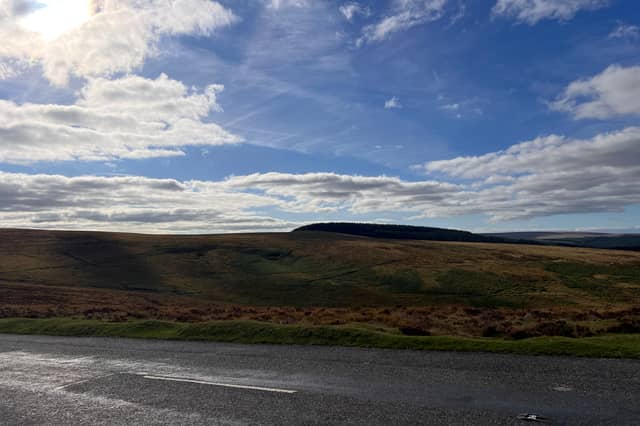

Dartmoor’s new Challenge Badge gives families a low-cost way to explore the National Park this autumn, with activities covering wildlife, conservation and more
Families looking for a low-cost activity to fill an autumn weekend could take on Dartmoor's new challenge badge without booking expensive attractions or planning six separate days out.
The Dartmoor Challenge Badge has 36 activities divided into six themes.
To earn the badge, participants need to complete at least one activity from each theme.
Having looked through the activity pack, there are plenty of options that can be done at home, meaning families can combine a short Dartmoor trip with activities using things they already have.
Here's one way families could tackle all six themes over a weekend.
1. Natural Environment: become footprint detectives
The Natural Environment section includes Footprint Detectives, which involves looking for impressions left by animals native to the moor.
This activity can be combined with a family-friendly walk, using the route to look for tracks and other signs of wildlife.
Rather than making a separate trip for the badge, take the activity pack with you and look for tracks and other signs of wildlife while you're out.
The pack includes other options covering woodland, rivers, tors and Dartmoor wildlife, so families can choose the activity that best suits their surroundings.
2. Built Heritage: make a Bronze Age roundhouse
One of the Built Heritage activities is Bronze Age Exploration, which takes about an hour.
The activity asks participants to make a model Bronze Age roundhouse using materials such as card, sticks, straw, wool and string.
This activity can be completed at home, but the pack also suggests taking it further by visiting a Bronze Age settlement on Dartmoor.
Bellever is one possible location to combine the history activity with a family walk.
The National Park states: “There are over 30 hut circles within the forest, suggesting that there were many more people living here during the Bronze Age (4000-2600 years ago) than there are today.”
3. Myths and Legends: make up your own story
This is another activity that does not require a trip or an entrance fee.
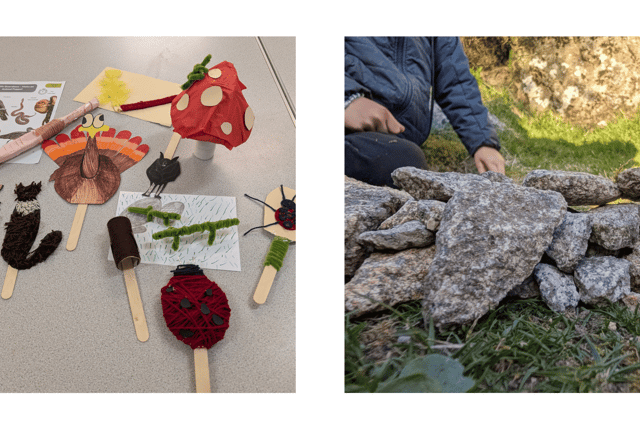
The Myths and Legends section includes activities such as creating a myth, making a story map, producing a short film or creating a mythic mask.
For a weekend challenge, Create a Myth could be completed around the kitchen table with family, using Dartmoor's landscape or folklore as inspiration.
4. Working Dartmoor: learn about life on the moor
The Working Dartmoor section includes The Sheep Farmers' Year, which takes a look at the seasonal work involved in farming on the moor.
The aim is to look beyond Dartmoor as a place to walk and understand some of the people and activities that have shaped the landscape.
5. Exploration: prepare for an adventure
The Exploration section includes Be Prepared, which asks participants to think about what they would need for an adventure, including food, warmth and keeping dry.
Other options include navigation, looking at the night sky, backpack cooking and search and rescue.
For a family heading out for a walk, the activity could be used before setting off to think about what everyone would need to take.
6. Who Looks After Dartmoor?: find out about conservation
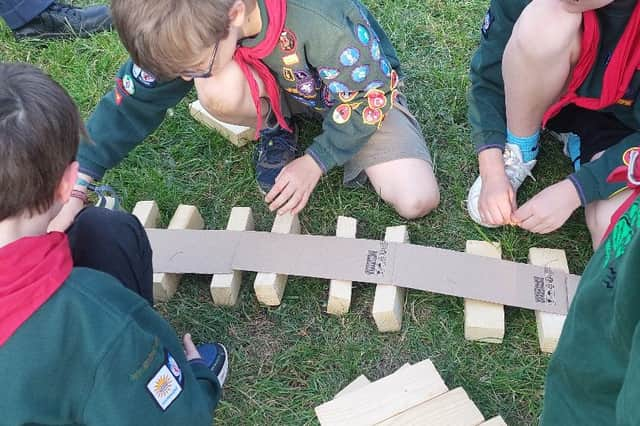
The final theme looks at the work involved in caring for the National Park.
Activities include wildlife, nature-friendly farming, conservation and finding out about the different organisations and people who work on Dartmoor.
Again, this can be completed without paying for an attraction.
One walk can cover several themes
Families do not need to complete six separate walks to meet the badge's six-theme requirement, as the activity pack includes tasks that can be completed at home as well as on the moor.
A trip to Bellever, for example, can provide opportunities to look at wildlife, woodland and archaeology while also practising navigation and exploring the historic landscape.
The Dartmoor National Park Authority (DNPA) has a 4km circular route around Bellever Forest which is mainly on gravel tracks, with some rough grass and unsurfaced sections. The route takes approximately 1.5 - 2 hours.
Public toilets are available at the Postbridge National Park Visitor Centre and the Forestry Commission car park at Bellever.
The National Park also warns visitors to check the weather before setting out, which is particularly relevant as autumn conditions arrive on the moor.
Parking is a cost to consider, with the National Park's main car parks, including Postbridge, currently charging £3.50 for up to three hours or £5.80 for longer stays.
Lydford is currently free on Sundays between 10am and 1pm.
The DNPA states: "If car parks are full please do not park on verges, double yellow lines, in front of gates and entrances or anywhere on the road where you will block access.”
What will it cost?
The six activities suggested here can be completed using the challenge resources and, where needed, basic household materials.
The physical sew-on badge costs £2 and is ordered from the Dartmoor Preservation Association after the six required activities have been completed.
Activity and resource packs are available from the Dartmoor Preservation Association.