

Devon earthquake confirmed followed by five aftershocks with more tremors possible
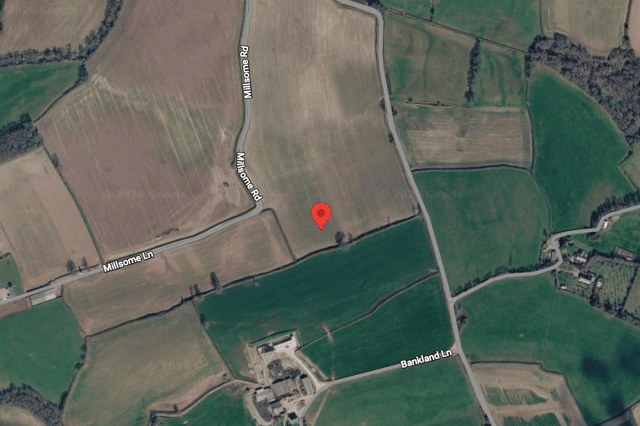

The British Geological Survey has confirmed a 2.5-magnitude earthquake in Mid Devon at 3.09pm on Monday which was followed by further seismic activity
An earthquake that shook parts of Devon and left locals reporting rumbling noises and sudden movements was followed by five aftershocks, seismologists have confirmed.
The 2.5-magnitude earthquake struck Coldridge in Mid Devon at 3.09pm on Monday, November 9, at a depth of approximately 3km.
The British Geological Survey (BGS) has since recorded five further tremors, the largest measuring 1.9 in magnitude, and also being felt by residents.
Experts say more aftershocks are possible, although they are unlikely to be as strong as the original earthquake.
Residents took to social media to describe the moment the earthquake struck, with some initially mistaking the rumbling for distant thunder or passing traffic.
The Moorlander contacted the Met Office to establish what weather conditions were like in the area at the time of the earthquake.
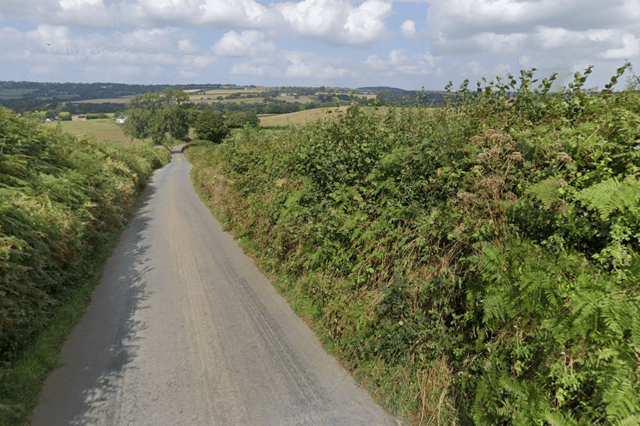
A spokesperson confirmed that conditions around Coldridge were “relatively quiet” when the tremor struck on Monday afternoon.
“At 3.09pm Monday 9th November, it was mainly cloudy, though dry with gentle east to southeasterly winds, and temperatures around 9.5 Celsius.”
The conditions provide further context to reports from residents who initially mistook the rumbling associated with the earthquake for distant thunder.
One person in Sourton said they were sitting in their summerhouse when they felt a sudden surge at exactly 3.09pm. Another reported that both they and a family member had heard and felt the tremor.
Callum Harrison, a seismologist at the British Geological Survey, told The Moorlander that earthquakes of this magnitude were not particularly unusual for Devon.
“Seismicity of this magnitude is infrequent but not unusual for Devon or the wider southwest, with some comparable examples being a 2.7ML event near Newton Abbot in 2011, and 2.8ML near Dartmouth in 1997,” he said.
The largest earthquake recorded by modern instruments in Devon was a 3.6-magnitude event at Hartland Point in 2001.
“Reports of shaking and rumbling noises are common following events of this magnitude,” he added.
The British Geological Survey (BGS) is a national geological research organisation that monitors earthquake activity across the UK.
Its network of seismic monitoring stations detects and records earthquakes, helping scientists establish where they occurred, their magnitude and depth.
The BGS detects and locates between 200 and 300 earthquakes across the UK each year.
While further aftershocks remain possible following Monday's earthquake, Mr Harrison said they were unlikely to be as large as the initial tremor.