

Natural England responds to petition over Dartmoor pony extinction fears
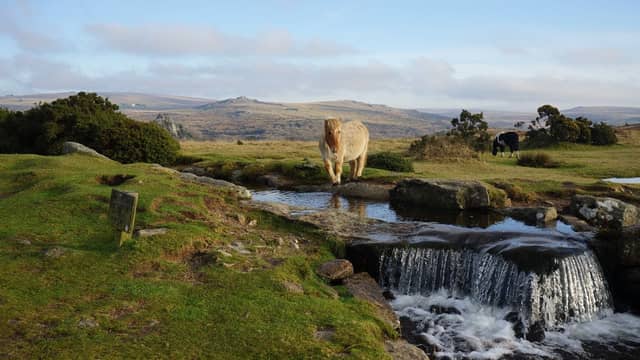

Natural England, Defra and the Dartmoor Pony Heritage Trust have responded to growing concern over the future of Dartmoor’s semi-wild hill ponies following claims new grazing arrangements could reduce herd numbers
Natural England and Defra have responded to growing public concern over the future of Dartmoor’s semi-wild hill ponies following claims that new grazing arrangements could lead to major reductions in herd numbers.
A petition titled “Dartmoor’s Hill Ponies face extinction. They need YOUR help now” has attracted more than 14,000 signatures and warns that updated Environmental Land Management (ELM) grazing agreements could significantly reduce the number of ponies allowed on Dartmoor commons.
Campaigners claim ponies are now being counted alongside cattle and sheep within overall grazing calculations, potentially forcing commoners to reduce pony numbers in favour of more commercially viable livestock.
The petition argues that Dartmoor hill ponies are not only a rare and endangered native breed, but also play an important ecological role in managing vegetation and supporting biodiversity on the moor.
The Moorlander contacted Natural England, Defra (Department for Environment, Food and Rural Affairs) and the Dartmoor Pony Heritage Trust for comment on concerns surrounding Dartmoor hill ponies and the potential impact of updated Environmental Land Management grazing agreements.
Natural England response: “Ponies play an important role”
Natural England told The Moorlander that it “fully recognises the key role that semi-wild Dartmoor ponies play in the sustainable management of Dartmoor”.
A spokesperson said: “We are working with partners, including the Dartmoor Hill Pony Association, to ensure optimal numbers of Dartmoor ponies remain for generations to come.”
Natural England said its grazing management advice reflects “the importance of maintaining ponies as part of the overall balance of grazing animals on the Moor”.
The organisation also acknowledged the ponies’ role in conservation grazing, particularly in areas dominated by Molinia grass.
“Ponies play an important role in targeted restoration grazing of Molinia-dominated areas, this may even require additional livestock over time,” the spokesperson said.
The response follows concerns raised by campaigners that reducing pony numbers could damage Dartmoor’s ecology rather than improve it.
Defra response: “Impact on ponies will be monitored”
Defra confirmed to The Moorlander that ponies are included within stocking density calculations because they contribute to grazing pressure on the moorland.
A spokesperson said: “The moorland offer in SFI and CSHT provides a payment for stocking cattle and/or ponies, at the appropriate density, recognising the value of ponies such as both Dartmoor ponies and Dartmoor Hill ponies for conservation grazing.”
“As with all animals grazing the moorland, ponies must be included in the stocking density calculations linked to the moorland actions, as they contribute to grazing pressure on the moorland.”
Defra also said the impact on pony populations would continue to be monitored.
“Impact on pony populations will be continually monitored for any adverse effects and mitigations will be explored to ensure no further reduction in population numbers,” the spokesperson said.
The department also indicated that preserving native breeds remains a government objective under the Environmental Improvement Plan 2025.
Dartmoor Pony Heritage Trust response: “Our focus is on protecting ponies”
The Dartmoor Pony Heritage Trust (DPHT), which works to protect and promote heritage and pedigree Dartmoor ponies, said there was “no doubt” ponies play an important ecological role on the moor.
The charity told The Moorlander that research has shown native ponies contribute significantly to conservation grazing through “their grazing patterns, movement and ability to manage coarser vegetation, helping to support biodiversity across the Dartmoor landscape”.
However, the Trust also stressed that grazing arrangements on Dartmoor are complex and vary between commons, graziers and land management agreements.
DPHT said the future of the ponies depends on balancing “sustainable grazing” with welfare standards and ensuring ponies continue to provide “practical, environmental and economic value” to the people who keep them.
The charity said it supports continued collaboration between organisations including the Dartmoor Hill Pony Association, Natural England, the Dartmoor Commoners’ Council and conservation specialists.
“Our focus remains steadfast: protecting and promoting Heritage Dartmoor Ponies, supporting the people who keep them, and ensuring these rare and culturally important ponies continue to thrive on Dartmoor for generations to come,” the Trust said.
Natural England said discussions around Dartmoor grazing management are continuing through the Dartmoor Land Use Management Group, which was established following the Independent Review of Protected Site Management on Dartmoor.
The Moorlander also attempted to contact the petition organiser through Change.org’s media enquiry system, but did not receive a response before publication.