

Major GWR shake-up planned: what nationalisation could mean for the Dartmoor Line


As the Exeter-Okehampton Dartmoor Line continues to grow in popularity, questions are being asked about whether Great Western Railway’s (GWR) move toward public ownership could bring changes to fares, reliability, or investment in Devon’s rail services
The possible move of Great Western Railway (GWR) into public ownership is making headlines nationally, but on Dartmoor, attention is turning to what this could mean for the Exeter-Okehampton route, better known as the Dartmoor Line.
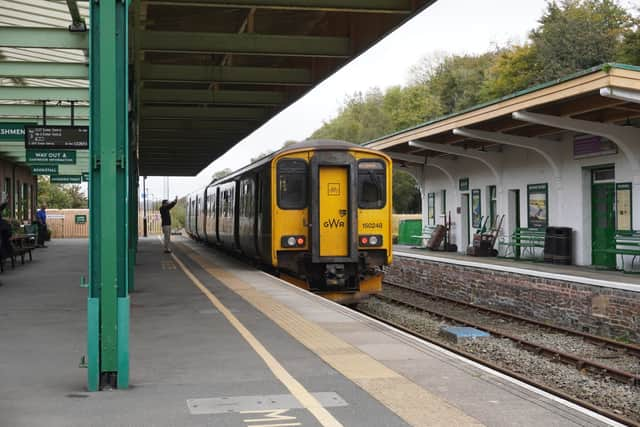
Reopened in 2021 after strong community lobbying, GWR and Network Rail reported that the Dartmoor Line carried more than 250,000 journeys in its first year, more than double the original forecast
Questions are now being asked about whether public ownership would bring more reliable services, fairer fares, and greater investment in rural branch lines.
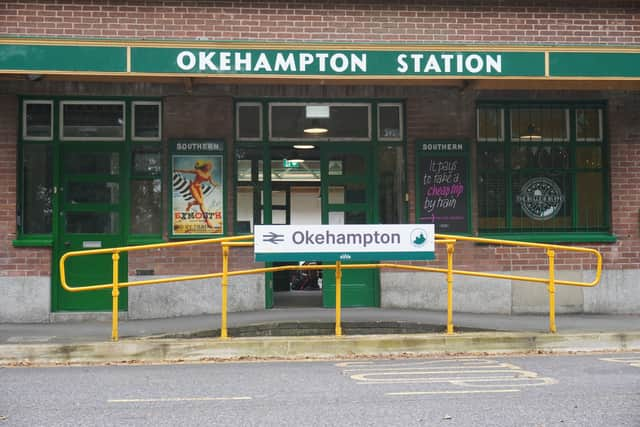
Commuters at Okehampton Station were all in agreement that the reintroduction of the Dartmoor Line was important for the town.
One local, who preferred to remain anonymous, told The Moorlander: “I use the line regularly to commute between here and Exeter, it has literally changed my life. I would say it's mainly older generations who use the service but many students are also using it to commute to colleges and universities in Exeter and beyond. The service is regular and reliable and I expect this to continue with the new station being built on the other side of town.”
James Davis, Media Relations Manager for Great Western Railway, confirmed to The Moorlander that any short-term changes would be minimal, with current projects and improvements continuing as planned.
“It has always been clear that GWR would be towards the end of the government's programme, so the latest suggested timelines are no real surprise. We continue to work closely with the Department for Transport and await formal confirmation of the relevant dates for GWR. In the meantime, our focus remains on providing the best possible service for customers, while ensuring we deliver value for taxpayers both now and in the future.”
Work at Okehampton Interchange is continuing, with the station due to be brought into use next year.
GWR also confirmed that a new fleet of Class 175 trains will be introduced, aiming to improve resilience in Devon and Cornwall.
On fares, GWR said that there is no expectation of immediate change:
“The rail industry is funded through subsidies and through fares. There has been no indication from the Government of any plans to alter this approach, and as such no expectation that fares will change – other than through the normal inflationary price rises.”
Campaigners who fought for the line’s reopening also have a keen interest in the future of its operation.
Tim Steer, chair of Railfuture’s Devon and Cornwall branch, said the move to public ownership is unlikely to make any immediate difference for the Dartmoor Line.
Mr Steer said fares, reliability, and investment are all determined by government policy rather than by who owns the train operator.
“The day after nationalisation will look much the same as the day before,” he said. “Service performance, fares, and investment levels are set by wider policy, not ownership.”
He added that partnerships such as OkeRail, the Devon and Cornwall Rail Partnership, and GWR’s community work would continue unchanged. “In practice, it will be business as usual, but with better trains and a second station on the way.”
The Dartmoor Line is one of the UK’s newest reopened routes and has quickly become an essential link for residents, students, and visitors.
Whether public ownership would strengthen or disrupt that success is a question now being asked across the region.