

Camera initiative targeting unsafe driving expanded to M5
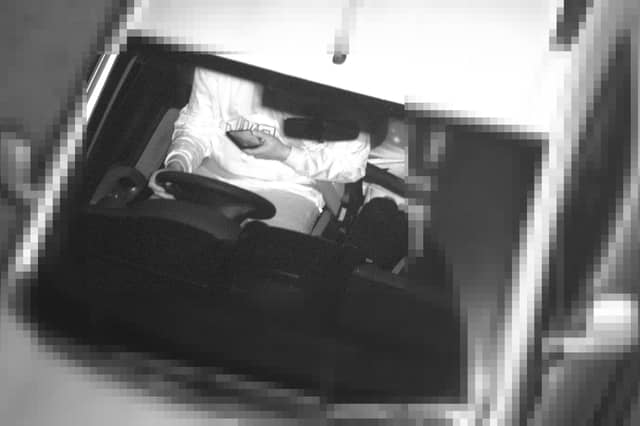

Cameras detecting drivers using mobile phones or failing to wear seatbelts are to be deployed on the M5 for the first time as part of an expanded road safety initiative covering Devon and Cornwall.
The Acusensus camera systems have been used at locations across the two counties over the past four years, supported by Devon and Cornwall Police and the Vision Zero South West road safety partnership.
The cameras take overhead and front-facing images, which are assessed using artificial intelligence and human reviewers to identify potential offences.
During the trials, they have monitored 6.5 million vehicles and detected more than 8,500 offences, including more than 5,400 seatbelt offences and 3,100 mobile phone offences.
Data suggests the cameras are also changing driver behaviour. On average, the number of offences at camera sites falls by 50 per cent during a month, with an 80 per cent long-term reduction when cameras return to previously monitored locations.
Following these results, National Highways has agreed to extend the initiative across the region’s strategic road network until the end of April 2027. The expanded programme will include the A38, A30 and, for the first time, the M5 motorway.
Adrian Leisk, Devon and Cornwall Police’s Head of Road Safety, said: “It’s important to say that the vast majority of motorists are complying with the rules – in fact, less than 1% of the vehicles we monitored using the Acusensus cameras were detected as committing offences.
“Using a mobile phone behind the wheel significantly increases your chances of being involved in a serious collision - particularly on high-speed roads where traffic might suddenly slow - and motorists not wearing seatbelts are twice more likely to die than those who wear one. These dangers cannot be understated.
“While the figures demonstrate that the vast majority of motorists are complying with the rules, sadly a small minority continue to ignore the law and put other lives in danger.
“The Vision Zero South West partnership remains committed in the use of technology to help address behavioural issues that lead to road traffic collisions. This is about keeping all road users in Devon and Cornwall safe and it’s great to see these cameras having a positive impact in our region.”
Jack Mason, South West Road Safety Manager for National Highways, said: “Road safety is a shared responsibility – motorists play an active role through the way they drive. Working as part of the Vision Zero South West road safety partnership, our ambition remains that no-one should be harmed while travelling or working on our roads.”
Geoff Collins, UK General Manager of Acusensus, added: “Our experience in Devon and Cornwall clearly demonstrates that the long-term use of this camera technology does change behaviours, for the better. Far fewer drivers are distracted by their phones and more occupants are correctly belted - meaning the roads are safer for everyone.”
The expansion comes after four years in which the number of people killed or seriously injured on roads in Devon and Cornwall has fallen year-on-year. Last year’s figures were the lowest on record.
Alison Hernandez, Police and Crime Commissioner for Devon, Cornwall and the Isles of Scilly and chair of Vision Zero South West, said the partnership was committed to halving the number of people killed and seriously injured on the roads by 2030, with the ultimate aim of reaching zero.
She said: “While these figures are certainly going in the right direction, there is a lot more work to be done. These aren’t just numbers, these are lives turned upside down by unimaginable tragedy and trauma. Every member of the Vision Zero South West partnership has committed to halving the number of people killed and seriously injured on our roads by 2030 – and eventually, to zero.
“The level of collaboration between agencies within Vision Zero South West has been key to our progress. It's enabled us to work with new partners and test groundbreaking equipment - along with new educational opportunities – which are improving driver behaviour and preventing people from being killed or seriously injured.
“We need everyone to be at their very best when using our roads. No one wants to answer the door to a police officer bringing them tragic news about a family member or loved one.”