

Devon farmers offered new support as council responds to 'devastating' bluetongue virus
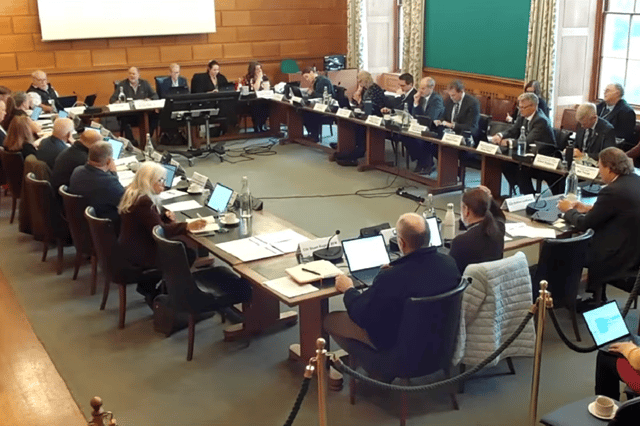

Devon County Council has agreed new measures to support farming businesses affected by bluetongue, including potential rent payment flexibility and renewed calls for better rural broadband
Devon farmers affected by the bluetongue outbreak are to receive further support after Devon County Council agreed measures to help ease financial pressures and improve rural broadband.
The council's Cabinet approved proposals on Tuesday (10 November), including greater flexibility over rent payments for tenants on its County Farms Estate whose cashflow has been directly affected by confirmed bluetongue cases.
Under the agreement, “reasonable and proportionate alternative rental payment plans” will be considered where tenants have experienced financial difficulties as a direct result of the disease.
The decision follows concerns raised by the council's Corporate Infrastructure and Regulatory Services Scrutiny Committee, which called for further support for Devon's farming community at a meeting on 9 October.
Councillor Simon Clist said during Wednesday's Cabinet meeting that discussions with County Farms tenants had recently happened.
"Can I reassure everybody those discussions have already taken place, to sum up literally, we are the listening landlord," he said.
The Cabinet also agreed to put further pressure on the Government to improve broadband connectivity in rural farming communities.
Councillor Cheryl Cottle-Hunkin, Cabinet Member for Rural Affairs and Broadband, will write to relevant Government ministers calling for greater investment in areas affected by bluetongue.
The proposals include prioritising funding through the Gigabit Voucher scheme for projects addressing rural connectivity problems.
This would mean extending existing Project Gigabit contracts to improve broadband provision in affected areas and establishing a dedicated rural broadband policy and investment fund.
The council says poor connectivity is making it harder for farmers to run their businesses, meet regulatory and reporting requirements, manage disease outbreaks and access funding.
Councillor Cottle-Hunkin, who is also a farmer, said bluetongue had had a devastating impact on farming families across Devon.
" For our County Farms tenants directly affected by confirmed cases, being flexible about how rent is paid could provide some welcome breathing space at an incredibly difficult time," she said.
She added that the council would continue to press the Government for investment in rural communities that lacked reliable broadband.
Councillor Simon Clist, Cabinet Member responsible for the council's farms estate, said reliable broadband was now essential infrastructure for rural businesses.
He said farmers were already dealing with diseases including bluetongue, Shamonda virus, Schmallenberg and avian influenza.
Devon County Council will also contact Devon MPs, asking them to raise the impact of the outbreak and lessons learned in the county with the Government, so they can be considered in future farming policy and disease control arrangements.
The latest decision follows the council's agreement last month to reinstate its Rural Support and Wellbeing Programme, with up to £180,000 available over three years.
The programme is intended to provide practical advice, wellbeing support and early intervention services for farming families.
Separately, Councillor Louise Wainwright is bringing together researchers, veterinary experts and farmers to explore whether a fungus could be developed to help reduce populations of the midges that spread bluetongue.
She has stressed that vaccination remains the most important way to protect animals from the disease.