

Dartmoor farmers urged to act now to prepare winter crops
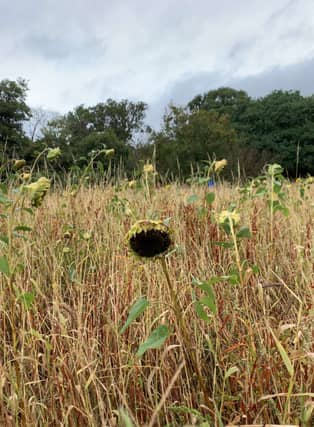

Call to action comes after one of the hottest summers on record leaves land hard and dry
Farmers across Dartmoor are being urged to cultivate soils and establish winter crops now to protect land and waterways ahead of heavy seasonal rainfall.
The Environment Agency has warned that bare post-harvest fields are highly vulnerable to soil erosion, runoff and pollution during the wet winter months, particularly where land is compacted or sloping.
The call comes after differing summer conditions across the region as much of Devon saw prolonged dryness, leaving soils hard and difficult to work.
Tavistock farmer Kody Viggers explained: “The crops started off well this summer then never grew to their full potential and are a lot shorter than usual. If you take the sunflowers (see picture) as an example they’re quite a bit shorter and have lost all the petals and their heads are drooping down and the whole plant looks hungrier.”
Early figures from the Met Office have suggested the UK has "almost certainly" had its hottest summer on record.
Environment Agency trials with the Maize Growers Association have also shown that undersowing maize with ryegrass can be an effective way to cut erosion risks over winter.
Laura Bentley from the Environment Agency said: “Winter is our busy period as heavy rain falling on bare soil causes runoff, especially where the land is compacted. Now is the time to cultivate and turn that compacted ground into permeable soil, then plant grass, cover crops or winter cereals so that they can establish by mid-October.”
Farmers are advised to:
- Break up compacted soil to improve infiltration.
- Establish crops early where conditions remain dry.
- Avoid working wet soils later in the season to prevent damage.
Farmers are also reminded to check slurry storage capacity to avoid the need for spreading during wet weather, which risks breaching Farming Rules for Water.