

£150m East Devon project promises high-tech jobs and cutting-edge testing facility
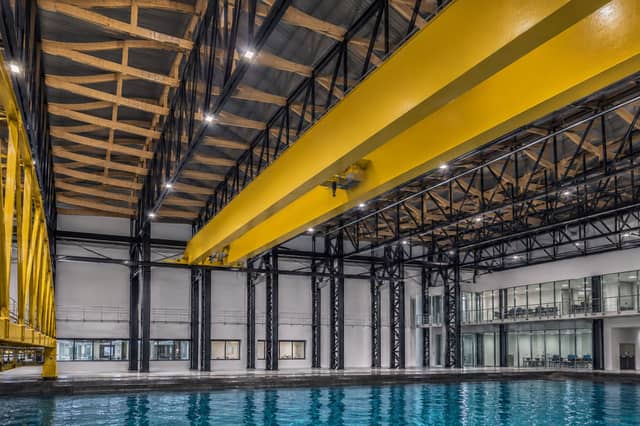

A planning application is expected next year for a major new research facility at Exeter Science Park, where a large-scale test tank would support innovation in defence, subsea, offshore wind and space technologies while creating new jobs
A £150 million water tank on the outskirts of Exeter could give high-tech firms the chance to test new underwater drone technology.
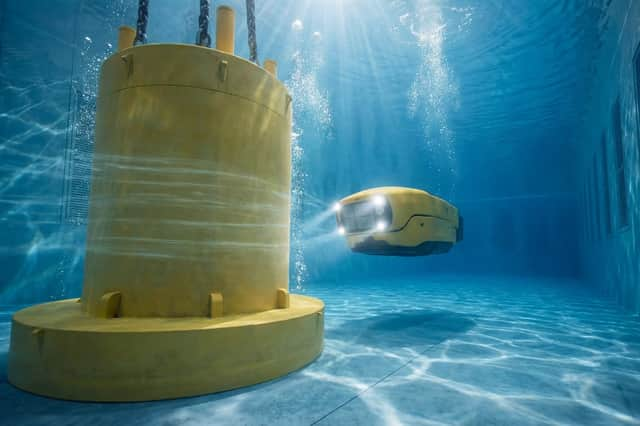
Images released with the announcement of the proposed "extreme environment centre" include one showing a sci-fi-style unmanned submarine exploring in deep water.
The development at Exeter Science Park is forecast to generate more than £270 million for the region, with that figure expected to rise to more than £500 million as the project becomes established.
The plans were announced by Exeter City Council, with Exeter Science Park chief executive Lindsay Lucas describing it as "a nationally significant project".
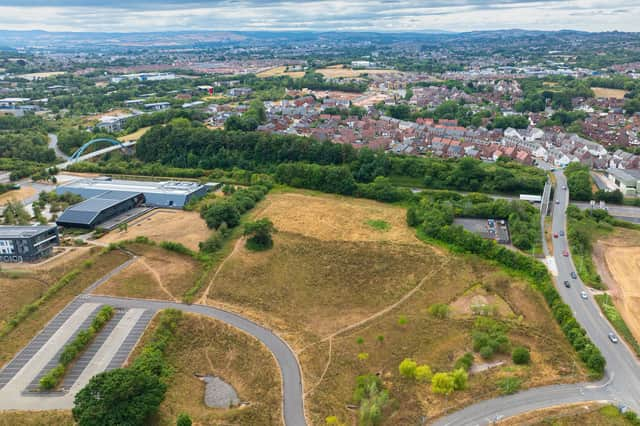
She said: "This is a nationally significant project which will be of strategic importance to the region.
"It aligns strongly with Exeter Science Park's mission to generate high-value jobs, drive productivity and deliver lasting economic growth.
“The location means the South West is perfectly placed to capture the full economic and employment benefits it will bring."
The council said the new facility would be of strategic importance to the UK's future resilience, security and economic growth and is being developed by NauteXe Global.
It will include a research and development test tank measuring 60 metres by 40 metres, with depths of up to 30 metres.
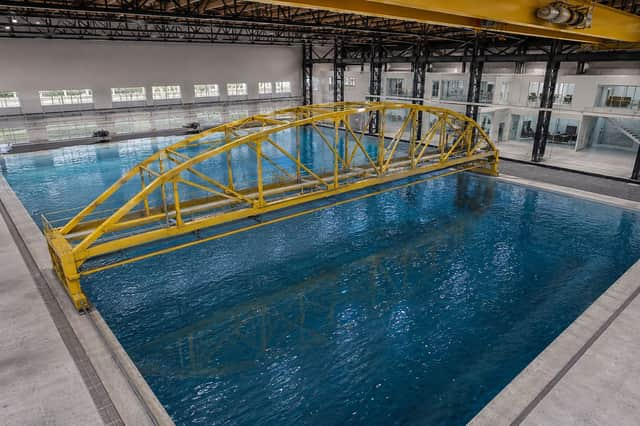
According to the council, the NauteXe Extreme Environment Centre will serve organisations operating in complex and hazardous environments.
It is expected to create hundreds of jobs during construction and around 70 permanent jobs once operational.
The facility will allow organisations to test technologies in realistic simulated conditions, from the deep ocean floor to the harsh environments of offshore wind installations and space, without the high cost, unpredictability and risk of live-environment trials.
The test tank will be capable of simulating currents, waves and wind, supporting organisations working in defence, offshore wind, subsea and space.
A planning application is expected to be submitted by the end of 2026, with the project due to be completed in 2029.
Marc Drew, chief executive of NauteXe Global, said: "A sovereign UK facility capable of delivering controlled, high-fidelity, repeatable extreme-environment testing at scale does not currently exist.
"Selecting Exeter Science Park places us at the heart of the South West's growing corridor of innovation.
“The South West is increasingly recognised as the UK's centre for maritime autonomy and uncrewed systems and sits adjacent to the Celtic Sea floating offshore wind zone, making it uniquely positioned to support the next generation of dual-use capability development, testing and operational readiness."