

Remembering the wartime tragedy on Dartmoor’s highest peak 86 years ago today
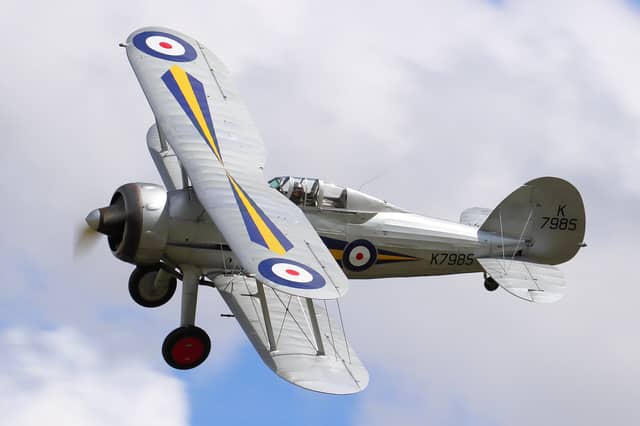

Marking the 86th anniversary of November 20, 1940, the final flight of RAF Sergeant Robert Tudor Thomas and the wartime crash on Dartmoor's highest peak
Eighty-six years ago today, a young World War II fighter pilot set off on a routine night patrol over the South West, and never returned.
According to Devon and Dartmoor Historic Environment Record data and aviation crash logs, Sergeant Robert Tudor Thomas took off from RAF St Eval in Cornwall at around 8pm on November 20, 1940, piloting a Gloster Gladiator II biplane (N5644) with 247 Squadron.
When the RAF sergeant failed to return to base, military authorities initially feared his aircraft had gone down in the sea.
Members of the Bude Home Guard were placed on lookout along the coast, and the following day an Avro Anson aircraft from 217 Squadron was dispatched from RAF St Eval on an air-sea rescue mission.
Sgt Thomas’ fate was discovered on November 22, when wreckage from his Gladiator was found scattered across 200 yards of hillside at around 2,000 feet on High Willhays, near Okehampton, Dartmoor’s highest point.
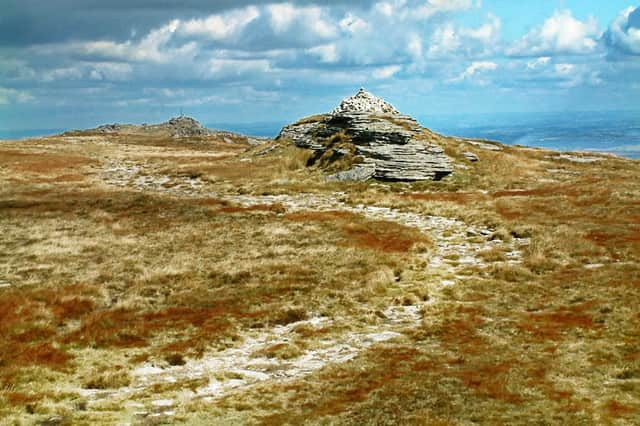
According to historical records held by the Battle of Britain London Monument, it was presumed the pilot had suffered a navigation error in the dark and flown into the high ground.
Sgt Thomas' body was found inside the wreckage.
Born in Chester in January 1919 and educated at Towyn Grammar School on the North Wales coast, Sgt Thomas had joined the Royal Air Force Volunteer Reserve in June 1939 before being called up on the outbreak of war that September.
After completing his flight training, he converted to Gladiators and joined 247 Squadron, originally based at RAF Roborough near Plymouth, in August 1940.
Just weeks after arriving, he walked away unhurt after writing off another Gladiator (N5701) when he clipped trees at Werrington on a landing approach following a night patrol over Plymouth.
Commonwealth War Graves Commission records list his official date of death as November 21, 1940, reflecting the overnight patrol, and note that he is buried at St Stephen's Churchyard in Bodfari, Flintshire.
His headstone bears the inscription: "He has outsoared the shadow of our night."
According to Ministry of Defence guidance on Dartmoor crash sites, around 45 aircraft crashed on the moor during the Second World War, and any remaining sites are protected as historic artefacts and war graves where disturbance is prohibited without an official licence.