

West Devon backs climate briefing as new figures reveal warming trends
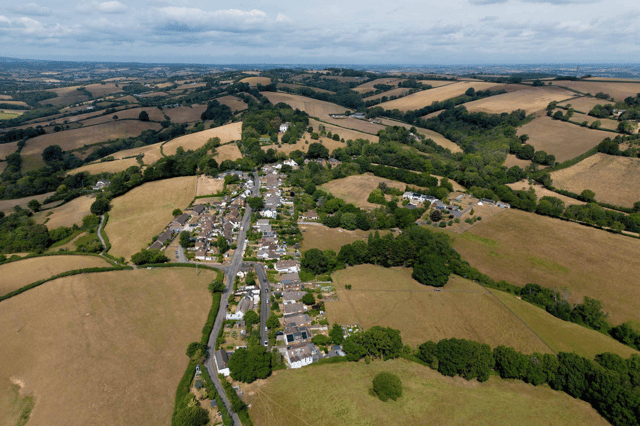

New Met Office figures show Devon has become warmer and wetter over three decades, as West Devon Borough Council backs calls for a national climate briefing
West Devon Borough Council (WDBC) has backed calls for a televised national briefing on climate change, as new figures show 2026 has continued a run of ‘anomalous warmth’ across the UK.
September was provisionally the joint-fourth warmest September on record, with an average UK temperature of 14.6°C, according to the Met Office.
It followed the UK's hottest summer on record, with a mean temperature of 16.5°C.
A Met Office study found ‘human-induced climate change’ had made a summer as warm as 2026 around 130 times more likely.
Devon has become warmer and wetter
Figures supplied to The Moorlander by the Met Office show Devon's average annual temperature “increased by about three-quarters of one degree C” between the 1961-1990 and 1991-2020 periods.
Average annual rainfall also increased, from 1,169mm to 1,252mm, a rise of 83mm, or roughly seven per cent.
The figures supplied are 30-year averages and do not mean every year has been warmer or wetter.
2026 has brought further extremes
September's average temperature was 1.6°C above the 1991-2020 UK average, with 28.1°C recorded on September 29.
Mike Kendon, Met Office Climate Information Scientist, said:
“Persistent warmth has been the theme of recent months and September is no different.”
He said the figures fitted a pattern of “more frequent above average temperatures in the UK as our climate continues to change”.
Summer 2026 was “provisionally the hottest on record for the UK”, while all five of the UK's warmest summers have now occurred since 2003, according to the Met Office.
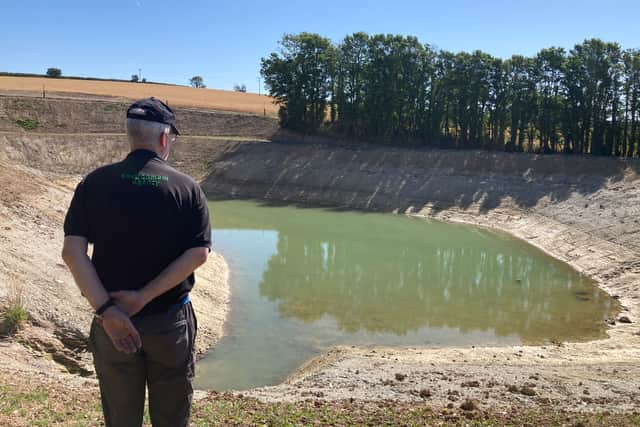
Although September rainfall was close to average across the UK, southern England remained relatively dry.
Environment Agency chief executive Philip Duffy said rainfall had not been enough to reverse water shortages caused by a dry spring and hot summer.
He said drought recovery would require “months of significant, sustained rainfall”, with some reservoirs still low.
For Dartmoor and West Devon, that matters as changes in temperature and rainfall can affect water supplies, farming, rivers and wildlife.
Why West Devon is calling for a briefing
West Devon Borough Council has backed the National Emergency Briefing campaign, which is calling for a live televised briefing involving the Prime Minister and the UK's chief scientific adviser.
“The Leader of the Council, Cllr Mandy Ewings, has agreed to write to the MPs Sir Mel Stride, Sir Geoffrey Cox and Rebecca Smith, calling upon them to support a national briefing on climate change,” a WDBC statement read.
Cllr George Dexter, West Devon's Hub Member for Climate and Biodiversity, added:
“Climate change and nature loss are among the biggest challenges facing our communities, and it is important that people have access to clear, accessible information about what is happening and why it matters.”

The council is also offering venues for community screenings and discussions around The People's Emergency Briefing.
Okehampton hosted one such screening in June, when around 70 people attended an event at New Carlton Cinema.
Discussion included food security, local farming, climate change and community action.
What does it mean for Dartmoor?
The Devon figures provide a useful picture of long-term change but are not a direct measurement of every part of Dartmoor.
For West Devon and Dartmoor, the key issue will therefore not be whether every year will be hotter or wetter.
It will be how changes in long-term temperature, rainfall and water availability will affect farming, wildlife, communities and services across the area.