

Clocks go back on Sunday: 10 ways to keep energy bills down as the nights draw in
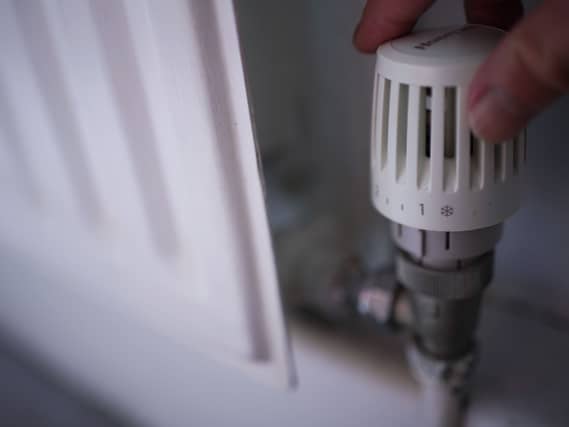

An electrician has shared ten tips for cutting energy use as the end of British Summer Time brings in the colder months, with the energy price cap set at £1,723 a year from October 1 to December 31, up 4 per cent on the previous period, according to Ofgem.
The clocks go back today (October 25), bringing darker evenings and, for many households, higher energy use.
An electrician has shared ten tips for cutting energy use as the end of British Summer Time brings in the colder months.
James Harrison, director of Fusion Electrical, said: “The end of BST is always a good indicator it’s time to start thinking about proofing your home to not only keep it warm, but, given the rise in energy prices, also eliminate any wastage.”
He said the darker evenings mean more use of lighting and heating, and that small changes repeated through the winter can add up to savings.
His advice is:
1. Use LED bulbs. Replace older halogen or incandescent bulbs with LEDs, particularly in the rooms used most, and turn lights off when leaving a room.
2. Stop draughts. Check windows and doors for gaps and fix them with sealing or draught excluders.
3. Make the most of daylight. Open curtains and blinds in the day and keep windows unobstructed to let in more light, which can reduce the need for artificial lighting and help heat a room, he said. Close the curtains as the sun goes down to trap the heat in.
4. Set heating efficiently. Lowering the thermostat by just 1°C can help reduce heating costs while keeping a home comfortable, he said. Timers and smart thermostats can help, alongside making sure the heating isn’t running unnecessarily.
5. Only heat the rooms you use. Keep doors closed in heated rooms, and turn off the heating in spare or unused rooms, or use radiator controls.
6. Don’t block radiators. Furniture in front of a radiator, or clothes drying on top, stops the heat circulating, he said.
7. Wash clothes at lower temperatures. Wash only full loads, and Mr Harrison said a 30°C wash is usually sufficient.
8. Avoid tumble-drying when possible. Air-drying clothes indoors, or outdoors on dry days, can significantly reduce electricity use, he said.
9. Keep hot-water use down. Shorter showers and avoiding unnecessarily high hot-water temperatures could save on gas and electricity, he said.
10. Check your energy settings. People with a smart meter can look at their usage in the darker evenings to spot appliances or heating periods using more energy than expected, and then turn things off or make adjustments.
Mr Harrison said people should set heating and lighting to their routine rather than putting everything on from the moment they get home until bedtime. “This small change repeated right throughout the winter can actually add up to some savings,” he said.
The energy price cap is £1,723 a year from October 1 to December 31, up 4 per cent on the previous period, according to Ofgem. The figure is based on the average unit rate and standing charge for people who pay by Direct Debit in England, Scotland and Wales.
For electricity, the cap is 26.32p per kWh, with a daily standing charge of 54.83p. For gas, it is 7.97p per kWh, with a standing charge of 29.68p.
Ofgem said the costs cannot be compared directly with previous periods because there is no VAT on electricity from October 1 until March 31, 2027.
Rates and standing charges differ by region and by how people pay, Ofgem said.