

Natural flood defences cut peak river flows by up to 62% in Devon study
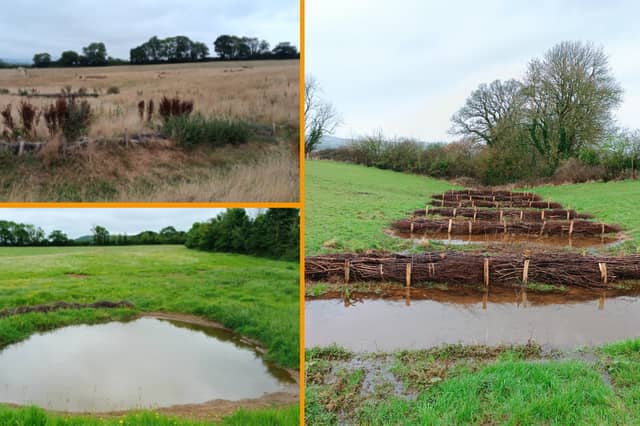

Natural flood management measures such as ponds, tree planting and wooden dams that allow water to pass through could significantly reduce flood risks for vulnerable communities in Devon, according to new research by the University of Exeter.
Researchers examined 662 storms across five river catchments in the county, finding that combinations of natural measures reduced peak river flows by between 30 and 62 per cent at different sites.
The findings suggest that working with nature can help slow the movement of water through the landscape, temporarily storing rainfall upstream and reducing the volume reaching communities downstream during periods of heavy rain.
The research was funded by the Department for Environment, Food & Rural Affairs and commissioned through the Devon Resilience Innovation Project (DRIP), led by Devon County Council and its partners to explore new ways of making communities more resilient to flooding.
The study comes as climate change is expected to increase the frequency and intensity of some extreme weather events, placing greater pressure on communities and existing flood defences.
Researchers monitored natural flood management measures at Stokeinteignhead, Tattiscombe, Exton and two catchments near Ottery St Mary. They found that the most effective results generally came from combining different approaches and locating them where they could intercept water during heavy rainfall. The strongest result was recorded at a catchment near Ottery St Mary, where peak river flow was reduced by 62 per cent compared with a similar nearby area without the natural flood management measures.
The work included 26 log jams, 15 ponds, tree planting and changes to land management. Together, these measures helped delay the surge of water moving through the river system.
At Exton, a combination of leaky dams, tree planting, a pond and land-management changes reduced peak flow by 53 per cent.
Measures at Stokeinteignhead, including leaky dams, ponds and a shallow hollow known as a scrape, cut peak flow by half.
At Tattiscombe, reconnecting the floodplain, introducing large pieces of wood and leaky dams into streams, planting trees and creating scrapes and ponds also reduced peak flows. On average, the measures delayed the peak by about an hour.
Across the five catchments, rivers took more than an hour on average to reach peak flow, giving water longer to move through the landscape rather than rushing downstream all at once. Ponds and scrapes can temporarily hold rainwater, while leaky dams and log jams slow its movement through streams. Tree planting and changes to land management can also help influence how water travels across the ground.
Researchers stressed, however, that the effectiveness of the measures depends on local conditions, including the landscape, the amount of rainfall and how wet the ground is before a storm begins.
Mehdi Bagheri-Gavkosh, PhD Researcher at the Centre for Resilience in Environment, Water and Waste (CREWW) at the University of Exeter, said: “One of the most rewarding aspects of this research has been seeing the evidence emerge from real rainfall events across small, rapidly responding catchments in Devon. By monitoring hundreds of events, we found that carefully combined natural flood management measures can reduce peak river flows and delay the response of streams to heavy rainfall.
“These findings show the real potential of working with nature to help manage flood risk, while also reminding us that every catchment is different, and that long-term monitoring is essential to understanding what works best and where.”
Devon County Council said the findings demonstrated how relatively small interventions spread across a river catchment could collectively make a difference to flood risk. Councillor Jacqi Hodgson, the council’s Cabinet Member for climate change and biodiversity, said: “There isn’t one simple answer to flooding, but these results show that a combination of relatively small measures across a catchment can add up and make a real difference, helping to hold water back, reducing the peak flow and the volume of water reaching streets and properties downstream. Upstream measures give communities downstream more time to react to storms.
“Natural flood management is not a replacement for conventional defences. Engineered measures such as flood walls, embankments and improved drainage still have an important role, but the study shows that working with nature in the landscape can complement engineered defences and provide another layer of protection.
“The important lesson is that we need the right measures in the right places, and that local people can assist with this alongside the other ways we prepare for and manage flood risk across Devon.”
The findings highlight the potential for natural flood management to form part of a wider approach to protecting homes, businesses and infrastructure, alongside conventional engineering and improved drainage. By slowing water higher up a catchment — the area of land from which rainfall drains into the same river or stream — natural measures can help reduce the sudden surges that put pressure on downstream communities.
The researchers said continued monitoring would be important to understand how well different approaches perform over time and in different weather conditions, helping identify where future measures could have the greatest benefit.