

Why Okehampton volunteers are fighting digital exclusion in West Devon
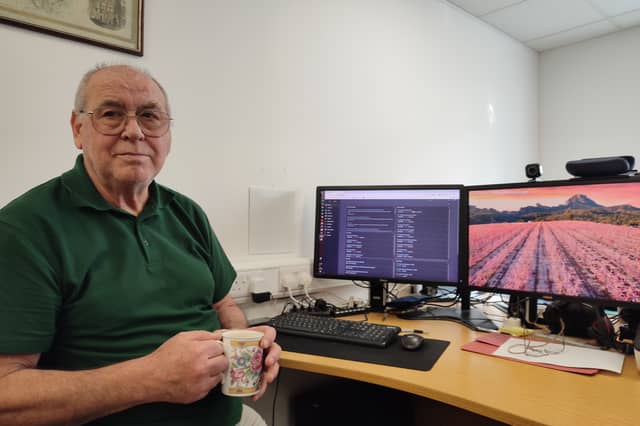

From helping residents use the NHS App to building confidence with everyday technology, Dawn Todd from West Devon CVS explains how volunteers at Okehampton-based Webcliq are supporting people across West Devon to develop vital digital skills and stay connected in an increasingly online world
Volunteers bridging the digital divide in West Devon
Okehampton volunteers are helping local people gain essential digital skills, tackle isolation and access vital services through the work of community interest company Webcliq.
In a bright office at Okehampton's A30 Business Centre, volunteers are quietly making a big difference to people's lives. Whether guiding someone through using the NHS App, organising important documents on a computer or navigating online services for the first time, the team at Webcliq is working to address one of the most significant challenges facing rural communities today: digital exclusion.
Although Webcliq officially opened its doors in December 2024, its roots stretch back much further. Founder Mark Richards developed the idea while working for IT support company Silversands in Basingstoke. Through years of providing technical support, he recognised how difficult the increasingly digital world had become for many people.
"I'm here because I want to help people," says Mark. "It's what makes me tick."
From that desire grew a community-focused service offering a complete package of digital support, from one-to-one guidance and training through to ongoing aftercare and assistance. Today, Webcliq operates as a Community Interest Company (CIC) and has grown into a team of five volunteers, providing free support to individuals, charities and community organisations across the area.
A Growing Problem in Rural Devon
Digital exclusion refers to the barriers that prevent people from accessing and benefiting from digital technologies and online services. These barriers can include a lack of internet access, limited digital skills, low confidence, concerns about online safety, or simply not understanding how digital tools can help improve everyday life.
The issue is particularly acute in rural areas such as West Devon. As banks, healthcare providers, government services and businesses increasingly adopt digital-first approaches, those unable to use online services risk being left behind. Tasks that many people now take for granted, such as booking a GP appointment, paying bills, completing forms, applying for jobs or keeping in touch with family, can become daunting challenges.
West Devon faces some of the highest levels of digital exclusion risk in the country. According to the Digital Exclusion Risk Index, the district is the highest-risk area in Devon, with rural parts of West Devon ranking among the most vulnerable nationally. Connectivity challenges, an ageing population and the distances involved in accessing face-to-face services all contribute to the problem.
For older residents in particular, the pace of technological change can feel overwhelming. Yet it is exactly these challenges that Webcliq's volunteers are helping people overcome.
Making Technology Accessible
One of those volunteers is Terry, who joined Webcliq in August 2025 after a long career training staff at Okehampton's Pie Factory.
In one of the rooms at the office, Terry is just finishing a one-to-one session helping a local resident learn how to use the NHS App.
"I have a history of training people," he says with a smile, "though the heavy machinery I taught people to operate at Okehampton Pie Factory was a bit different from the tech I help people learn how to use now!"
Terry volunteers several days each week, helping people develop practical digital literacy skills. His support covers everything from downloading useful apps and removing unwanted ones to explaining internet safety and helping people understand how to access essential online services.
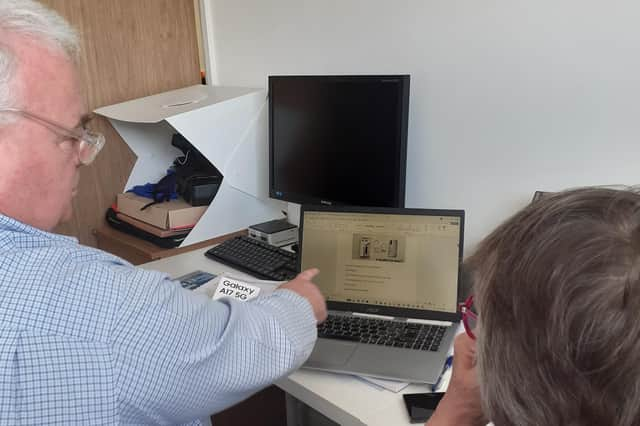
"It's the kind of stuff the kids can do without blinking because they've grown up with it," he explains. "But older generations never needed to know this before, and digital literacy is becoming vital in everyday life, from paying a bill to booking an appointment to see your GP."
Teaching people how to use the NHS App is one of the most common requests Webcliq receives. However, the organisation's support extends much further. Volunteers have helped residents create folders and organise documents, supported community groups in establishing online rotas and logbooks, and guided people through upgrading computer systems and improving their digital confidence.
In addition to one-to-one sessions, Terry also runs small group training classes.
"I'll work at the pace of the slowest person in the room, to make sure no one is left behind," he says. "It's about teaching people what they need to know, showing them where to find support online, and helping them feel independent."
Benefits for the Community and the Volunteer Team
The impact of this work reaches far beyond learning how to use a smartphone or computer. Digital confidence can lead to greater independence, improved access to healthcare, stronger social connections and better employment opportunities.
Webcliq is particularly keen to support unemployed people who may need digital skills to enter or return to the workforce. In a job market where many applications and training opportunities are online, these skills can be life-changing.
The rewards are equally meaningful for the volunteers themselves.
"I like assisting people to build their knowledge, and if it improves their lives as well, that's great," says Terry.
For many volunteers, the opportunity to use their experience, meet people and contribute positively to the community provides a strong sense of purpose and satisfaction. Every successful training session represents another person gaining confidence and independence.
Building a Stronger Community
At its heart, Webcliq's work is about more than technology. It is about ensuring that no one is excluded from modern life because they lack the skills or confidence to navigate the digital world.
As services continue to move online, organisations like Webcliq are becoming increasingly important in helping communities adapt. By providing patient, friendly and free support, the team is helping to build a more resilient, connected and inclusive West Devon.
For local residents looking to improve their digital skills, or for anyone interested in giving something back through volunteering, Webcliq offers an opportunity to make a real difference.
In a region where digital exclusion remains a significant challenge, the work of these volunteers is proving that sometimes the most powerful technology is human support.